
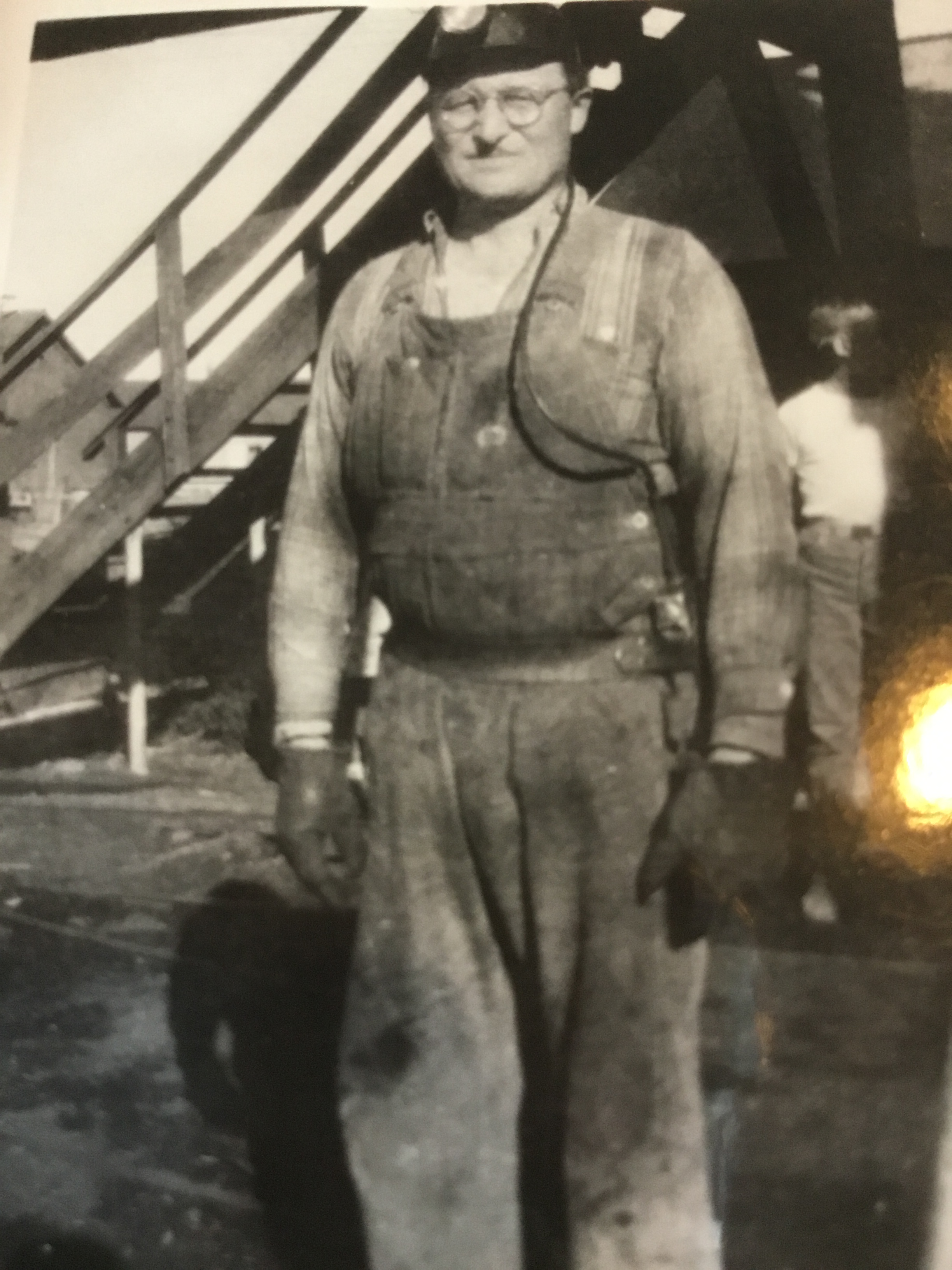
On several occasions over my ten years blogging as the Traveling Dean, I have noted that my grandfather (my father’s father) was a coal miner. Beginning at age 13, his career underground lasted 37 years. That’s a picture of him outside a mine in Louisville, Colorado, circa 1955.
Recently I traveled back to the first two places where he mined coal: Sullivan, Indiana and Ziegler, Illinois. By combining census records, vital statistics data, family archives, and information from various registries I was able to learn a great deal more about my nomadic people. My grandfather and family (him, my grandmother, their four children, his father and mother, and his grandmother) lived in Northeastern France and five U.S. states: Indiana, Illinois, West Virginia, Wyoming, and Colorado. In most of those states, they resided in various towns and at many addresses. My great-grandmother even moved back to France for a few years, only to return to the U.S. to rejoin the coal train. And, they moved back and forth between Wyoming and Colorado in my grandfather’s last years in the mines.
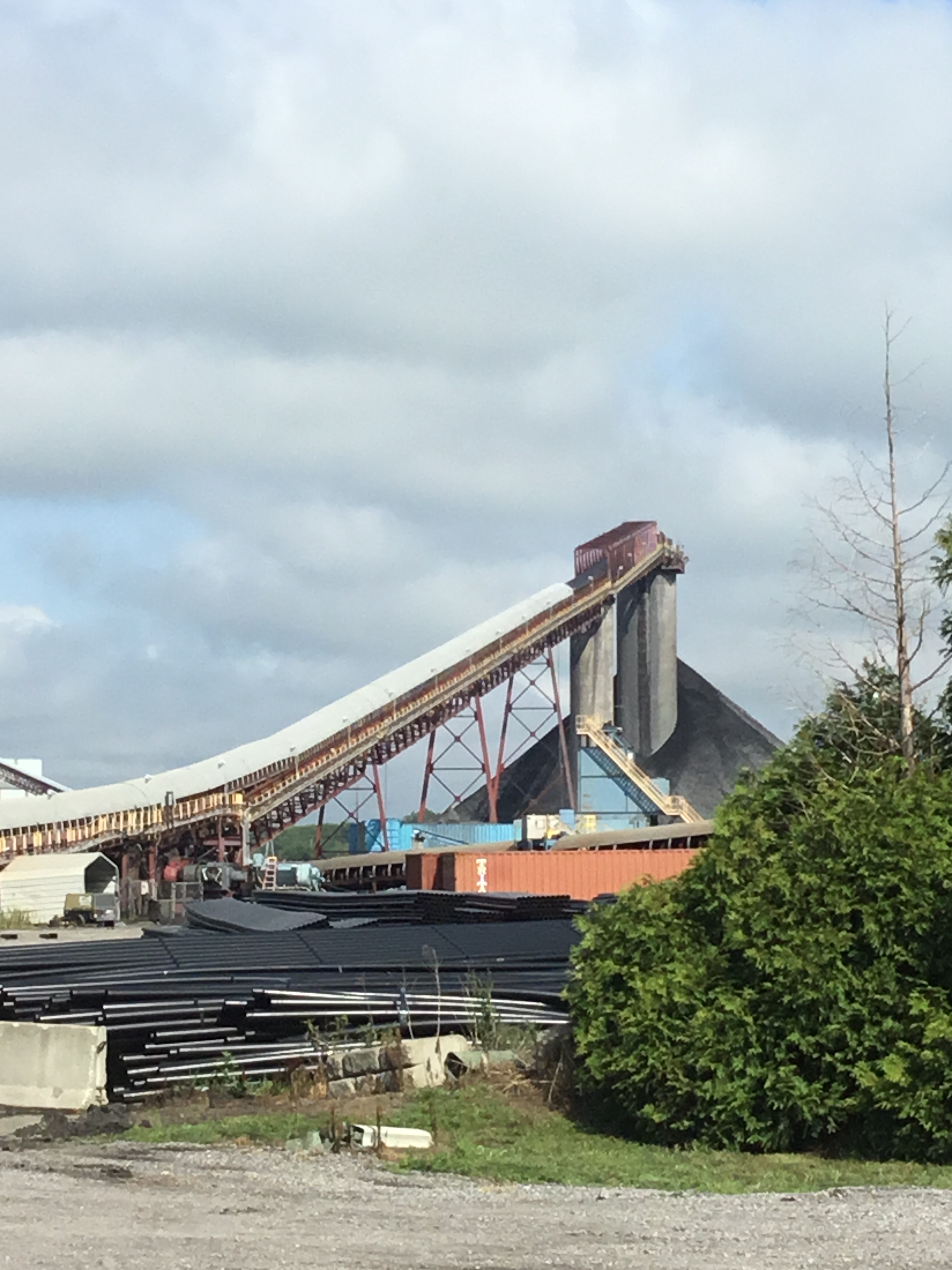
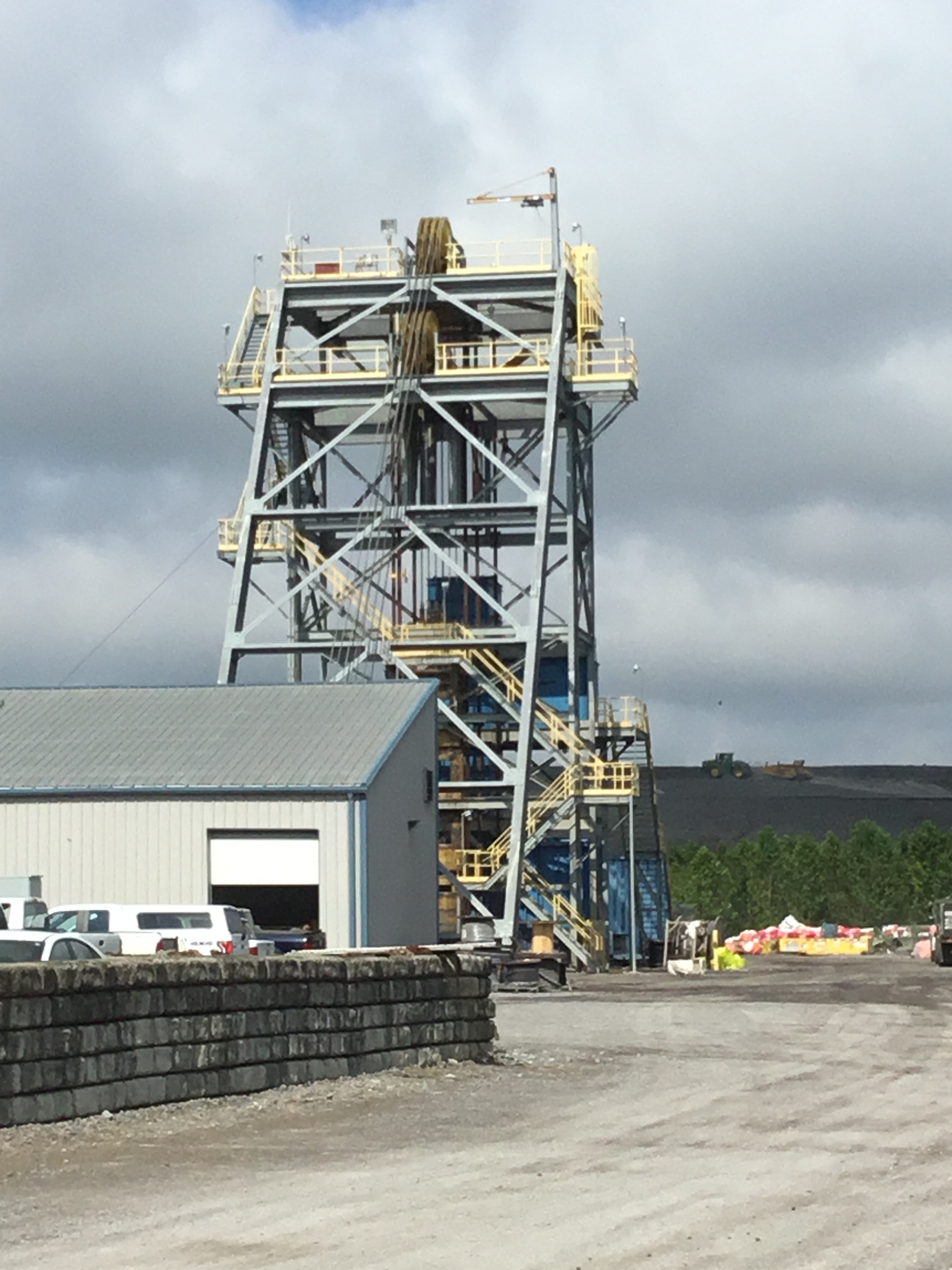
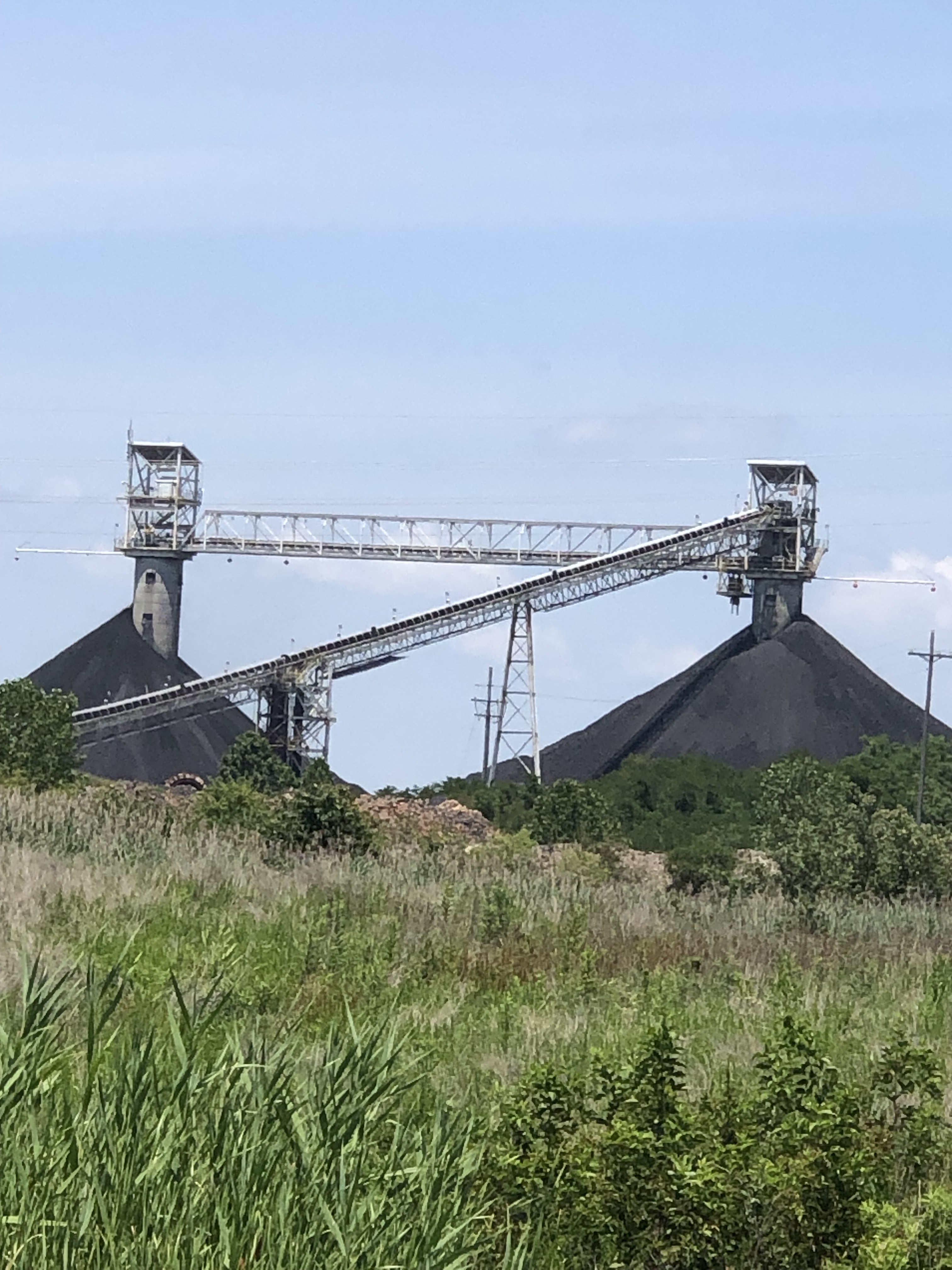
While the coal mines in which my grandfather worked have long since closed, coal is still a big thing in Sullivan and Ziegler. Outside Ziegler near the town of Aiken is the Sugar Camp mine. The main shaft is down 900 feet, 500 feet lower than Ziegler Number 1 mine in which my grandfather worked. Each day hundreds take the long ride down to the world of little light in order to remove coal from thick seams and load it up to be shipped to the surface. Once above the ground, the coal is sent via a massive conveyor system for grading and eventually to the train cars that will carry it to the last destination.
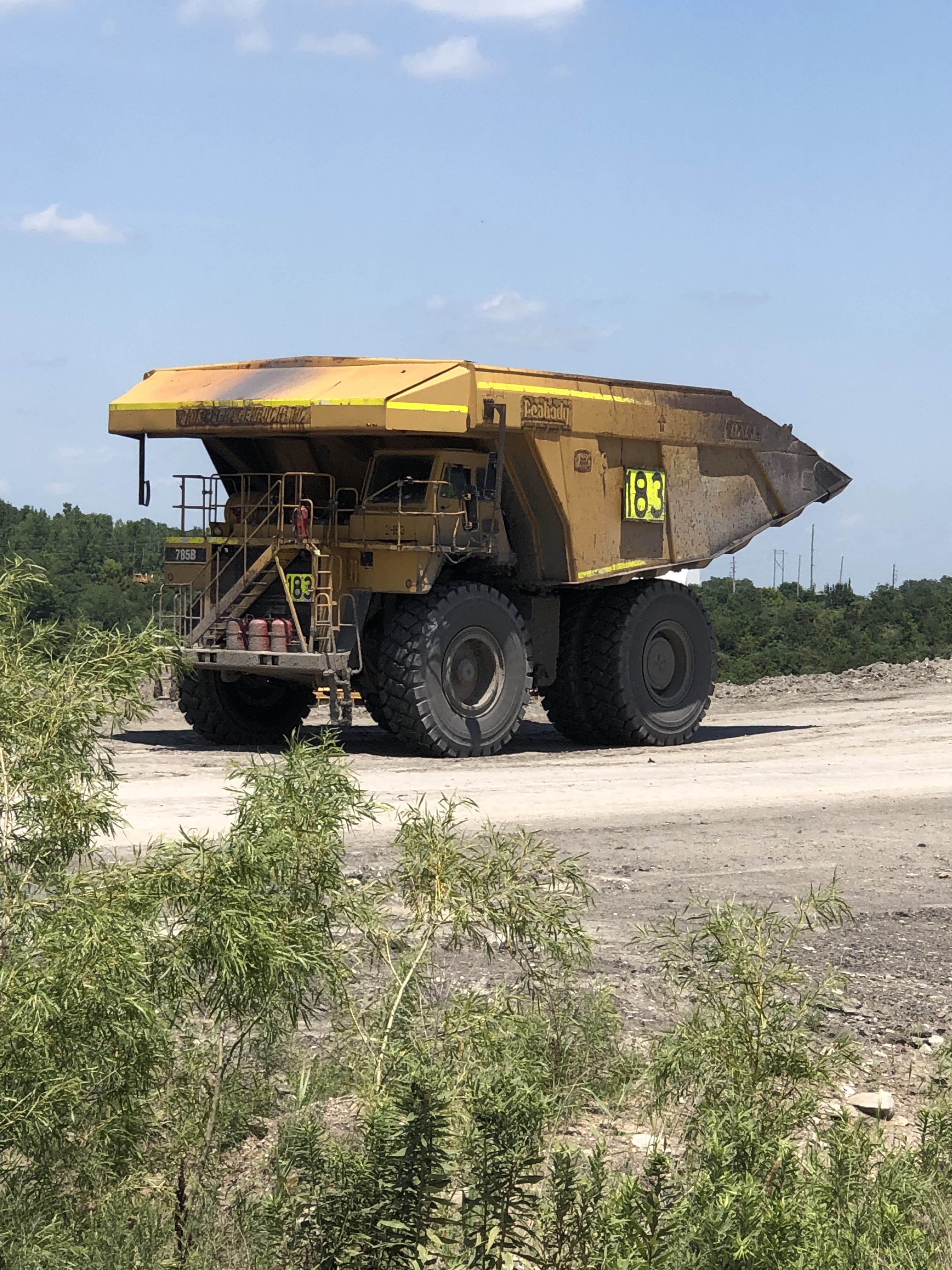
A short drive from Sullivan lies the Bear Run surface mine operated by Peabody Energy. Bear Run is the largest surface coal mine east of the Mississippi River. Its massive drag line system weighs 13 million pounds, more than 150 Boeing 737-700 jetliners. The crane is 220 feet high and has an operating radius of 335 feet. The bucket at the end of the boom car can carry a 335,000-pound payload. The system of conveyors to move the coal and the oversized trucks that carry topsoil to cover the damage done are unearthly. I’ll write about the environmental impact of these operations at a later time. For now, read John Grisham’s Gray Mountain.
 The Traveling Dean (Emeritus)