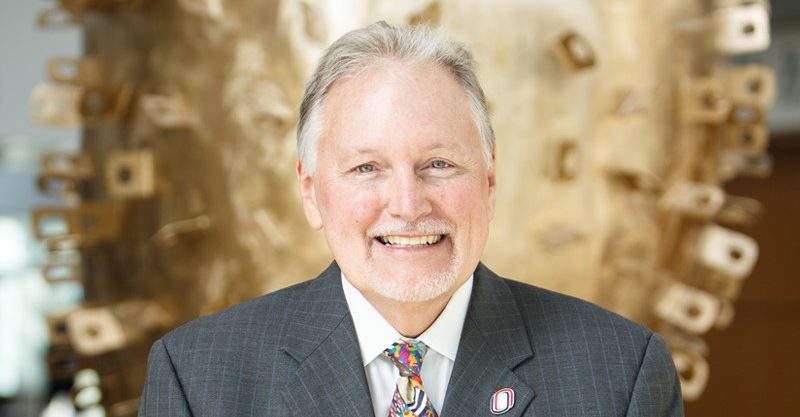
As part of a Volunteer Optometric Services to Humanity (VOSH) sanctioned visit to the Dominican Republic (DR) in February, we delivered services at the main clinic in Santiago, one orphanage in Santiago, and two bateys in the countryside. I was part of the team that spent most of one day seeing patients at what we referred to as Batey 2.
Bateys came into existence in the early twentieth century when the sugar cane industry in the DR, Cuba, and Puerto Rico needed places to house guest workers, braceros, who were brought in to the fields to harvest, cut down by hand with machetes, sugar cane plants so that the cane could be transported to the mills for mass production and export. Bateys, or company towns, were created to house the workers. However, owners of the bateys invested few resources in these company towns. The shacks constructed were minimal and had no running water, no electricity, no schools for the children of workers, and a lack of health services. In the DR, the workers were Haitians looking for any kind of employment and they were exploited.
There are currently 425 bateys in the DR, housing anywhere from an estimated 200,000 to 1,000,000 persons. For a variety of reasons, the vast majority of batey residents have no legal status. They are not citizens of either Haiti or the DR and have no official identification documents other than company-issued IDs used to credit the weight of cane chopped by each worker per day. The lack of legal status makes it quite difficult to find work in other industries, or travel about, other than working illegally as laborers and domestics. And, the sugar cane industry has collapsed, reducing the demand for their labor. For the most part, bateys continue to lack running water, electricity, and educational opportunities past the eighth grade. It is in this context that our team delivered services.
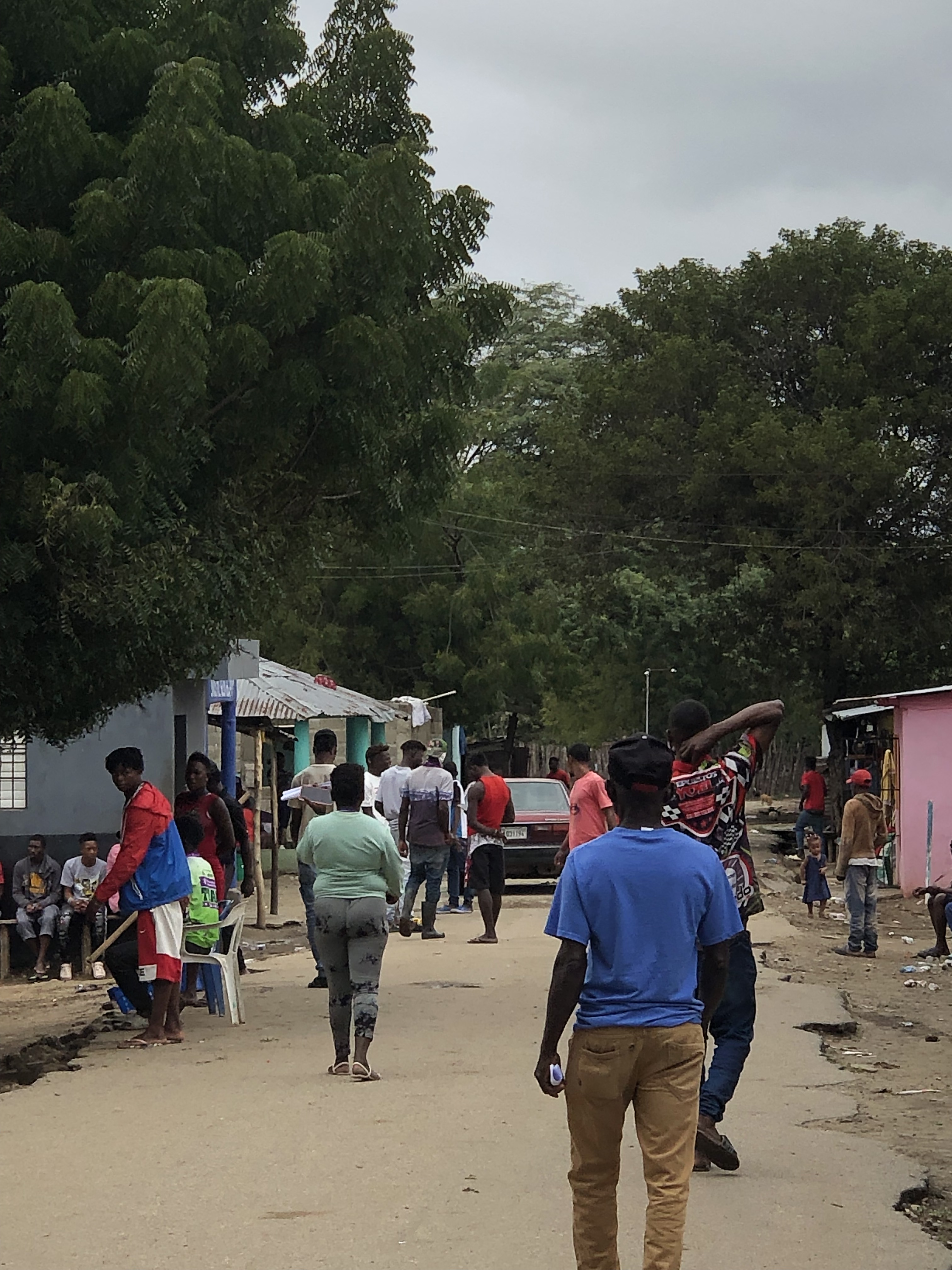
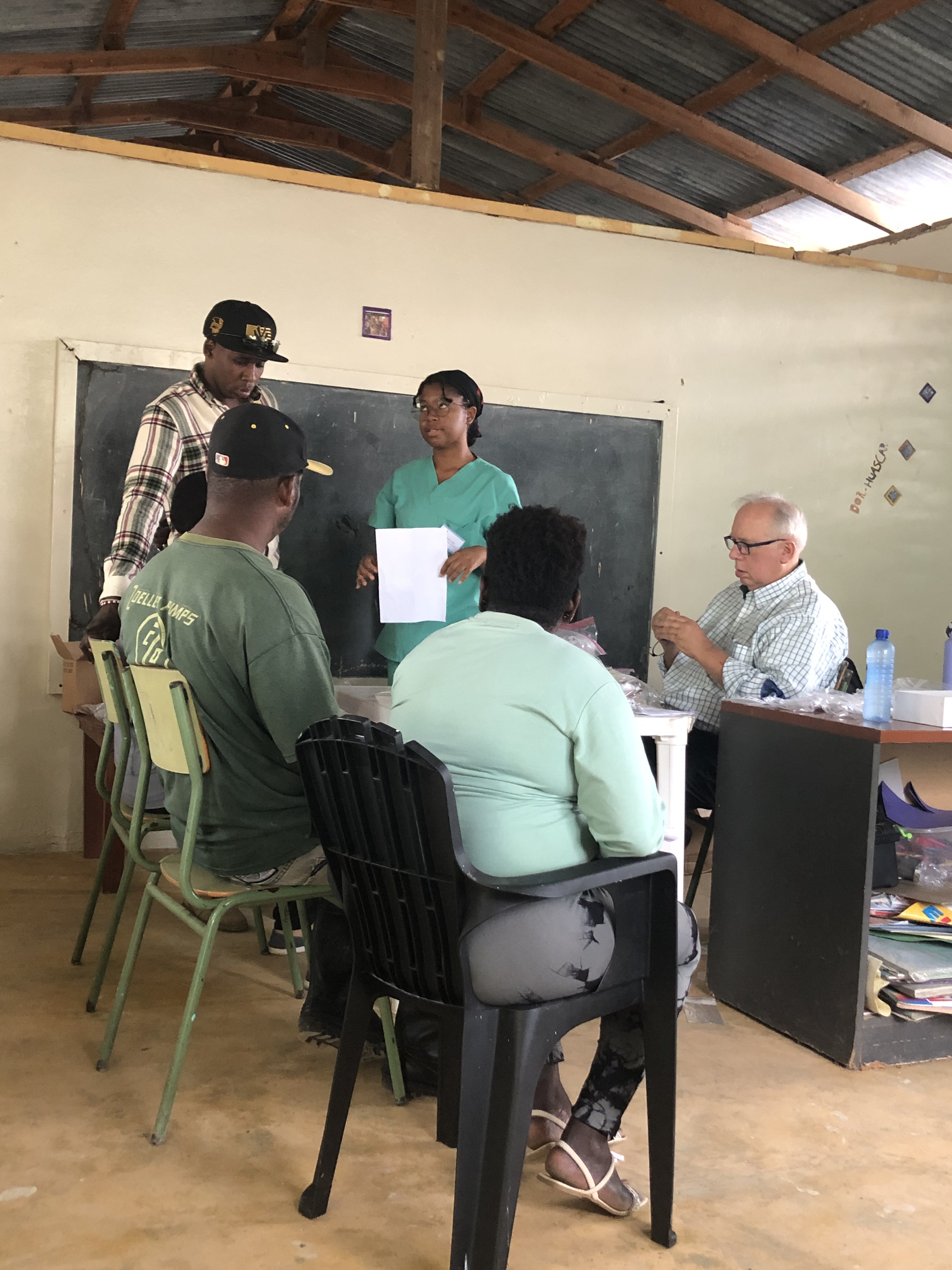
Our day began with a short bus ride from Santiago through a few small towns and a pit stop at Batey 1. From there, we drove less than two more miles on an unpaved road to Batey 2 and the two-room block, metal-roofed schoolhouse where we would set up shop and provide eyewear designed to correct a patient’s eyesight to as close to 20/20 as possible. For those with cataracts, retinal irregularities or other more severe vision problems, referrals would be made and follow-up services provided by a different group of professionals who would visit in March.


Setting up a makeshift clinic in a two-room schoolhouse presented some challenges. At the outset, the team leader decided, wisely, that we would conduct all of the testing and eye examination work in one room and provide glasses (optical) and sunglasses in the second room. We quickly re-arranged the existing furniture and integrated it with the chairs we had brought along. The key to establishing a manageable flow of patients was in controlling the number of persons who were allowed to enter the testing room. One of the local interpreters, with assistance from a few others, did an excellent job in controlling the flow.
It was a busy day once we got started. We saw more than 100 patients, almost all of whom had never had an eye examination. My role was limited in that I lack experience in both taking eye pressure (tonometry) and operating an autorefractor (a device that measures how light is changed as it enters a person’s eye). I will become good at both before my next trip. I was able to assist by recording scores for both eye pressure and the autorefractor, figures needed by the optometrists before an examination takes place.

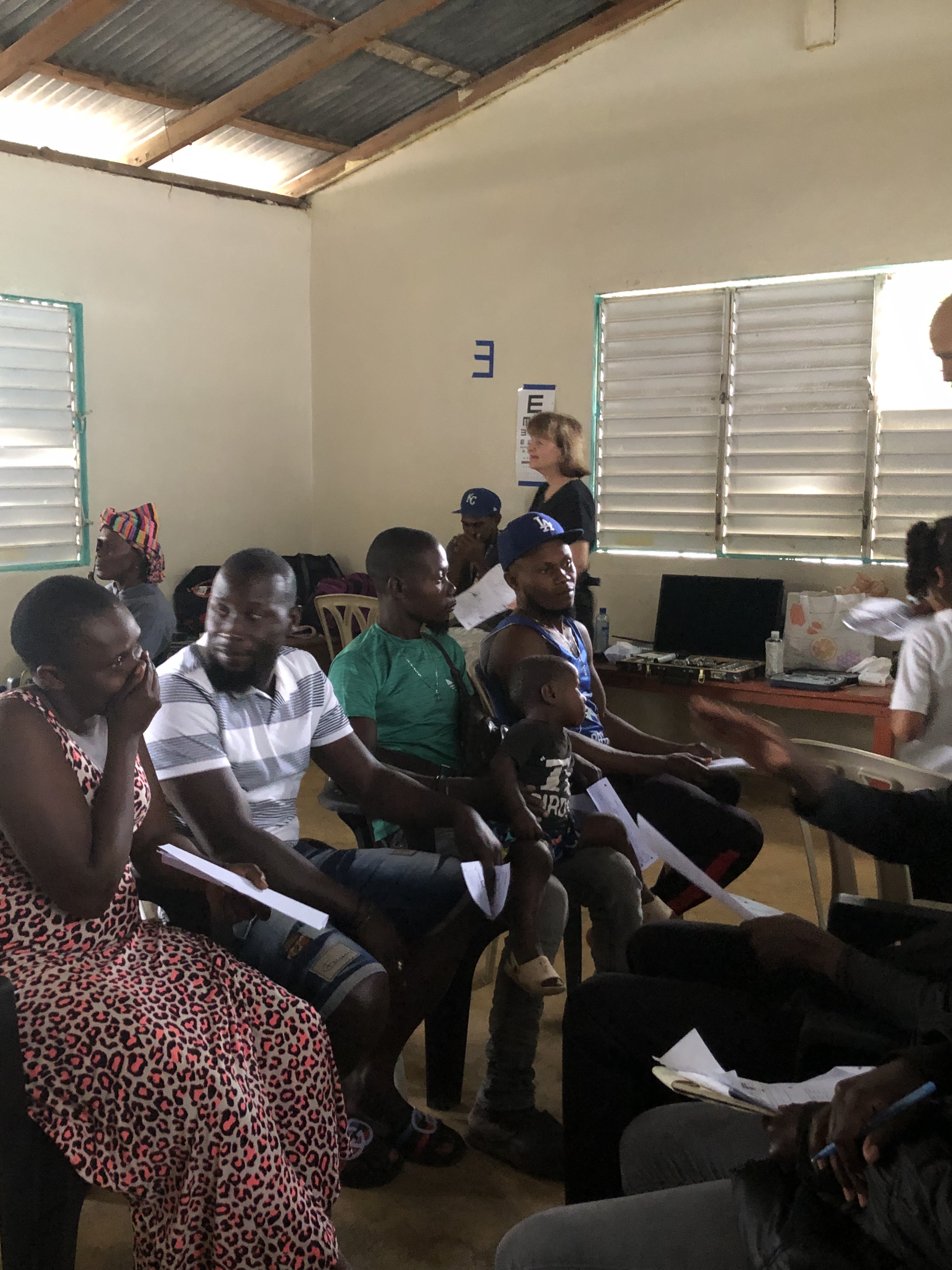
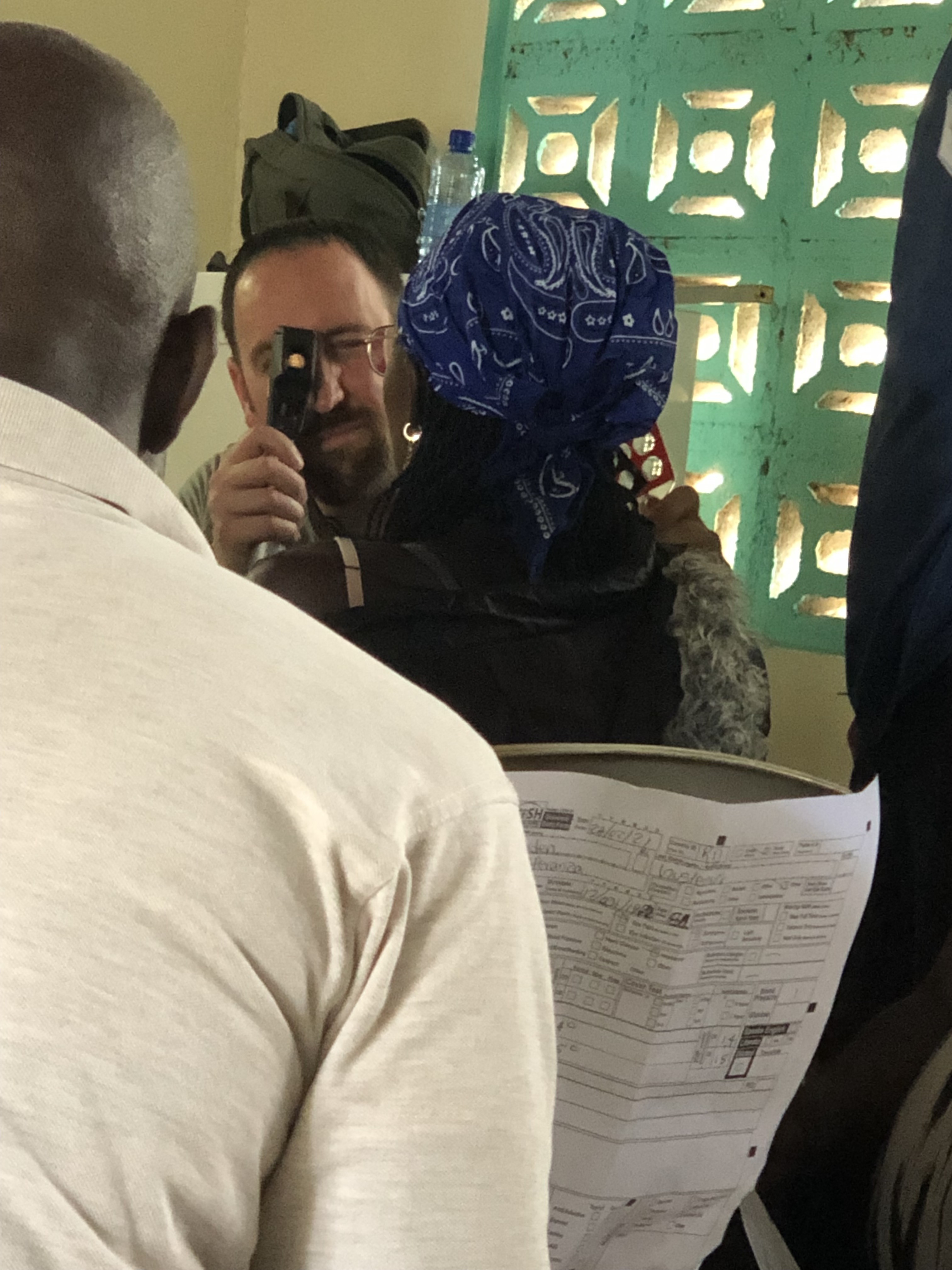
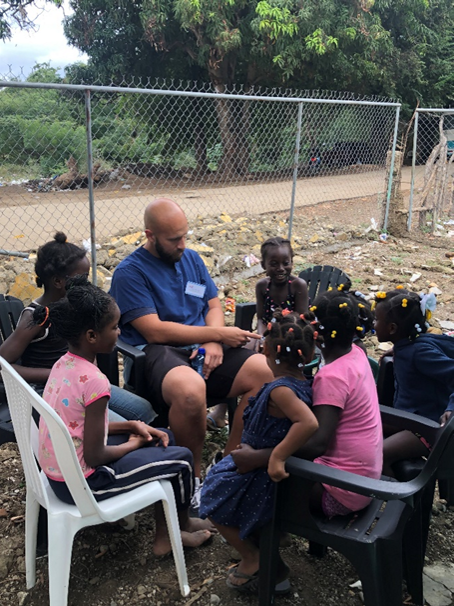
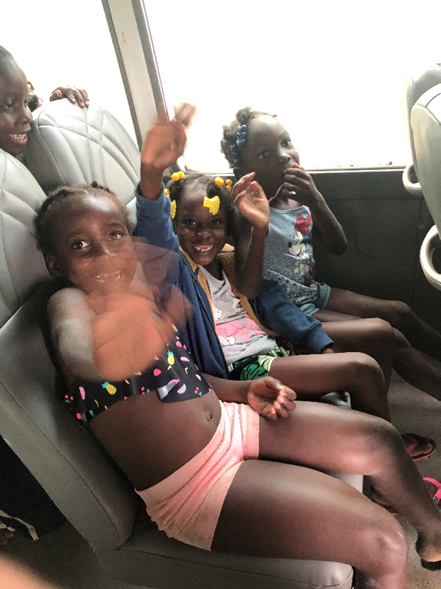
We broke for a short lunch in the bus around 12:30 pm and continued to see patients throughout the afternoon. We saw all the patients who sought services. We were packed up and ready to leave by 4:30 pm. The major disappointment for the day was that we saw few children in the process. And, as you can see in the pictures, they liked us. Perhaps on subsequent visits we will see more younger patients. An upside of this visit is that the optometrists observed better-than-expected eye health for the group as a whole. As we drove off, I smiled. It was a very good day.


 The Traveling Dean (Emeritus)