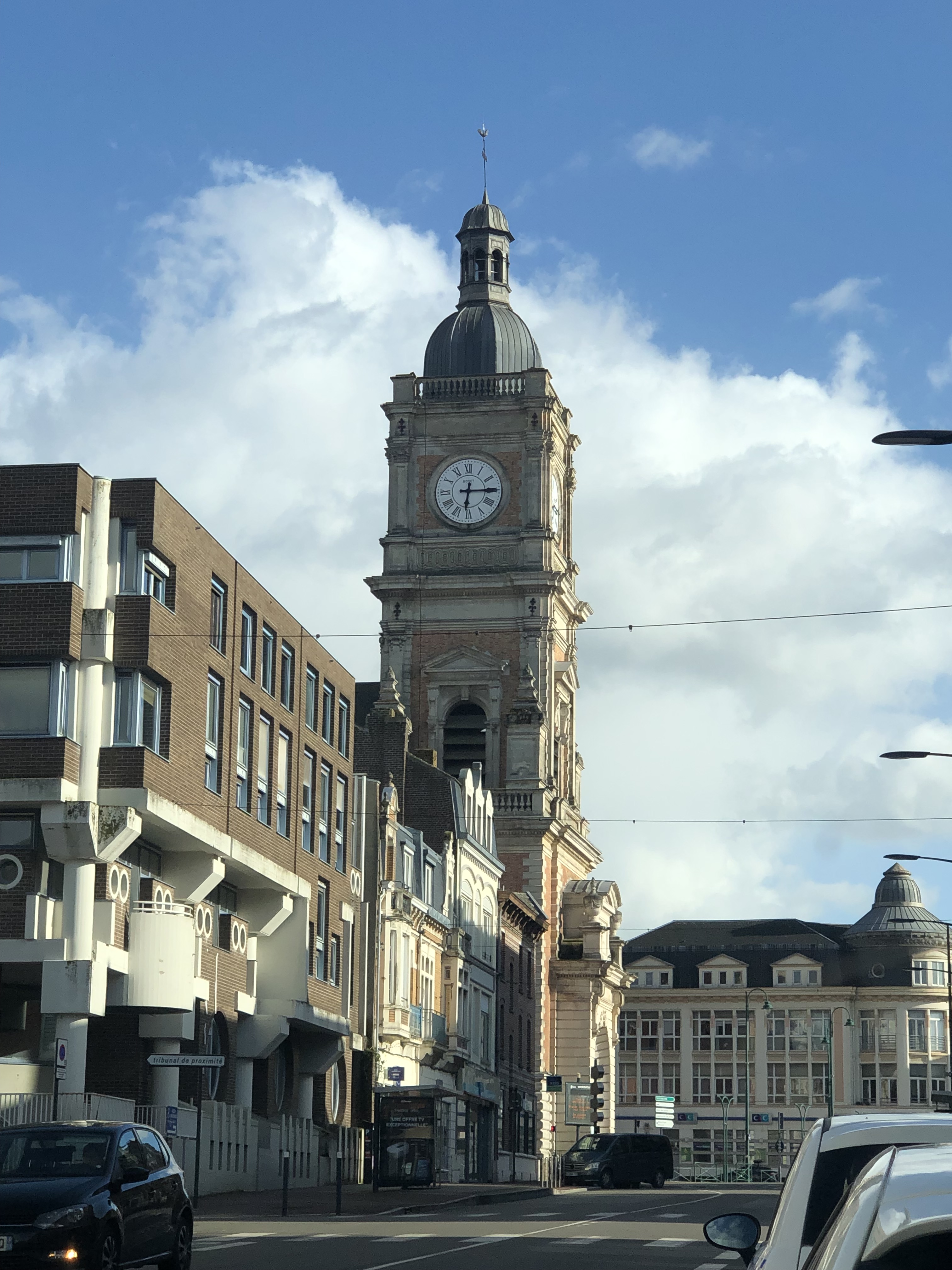
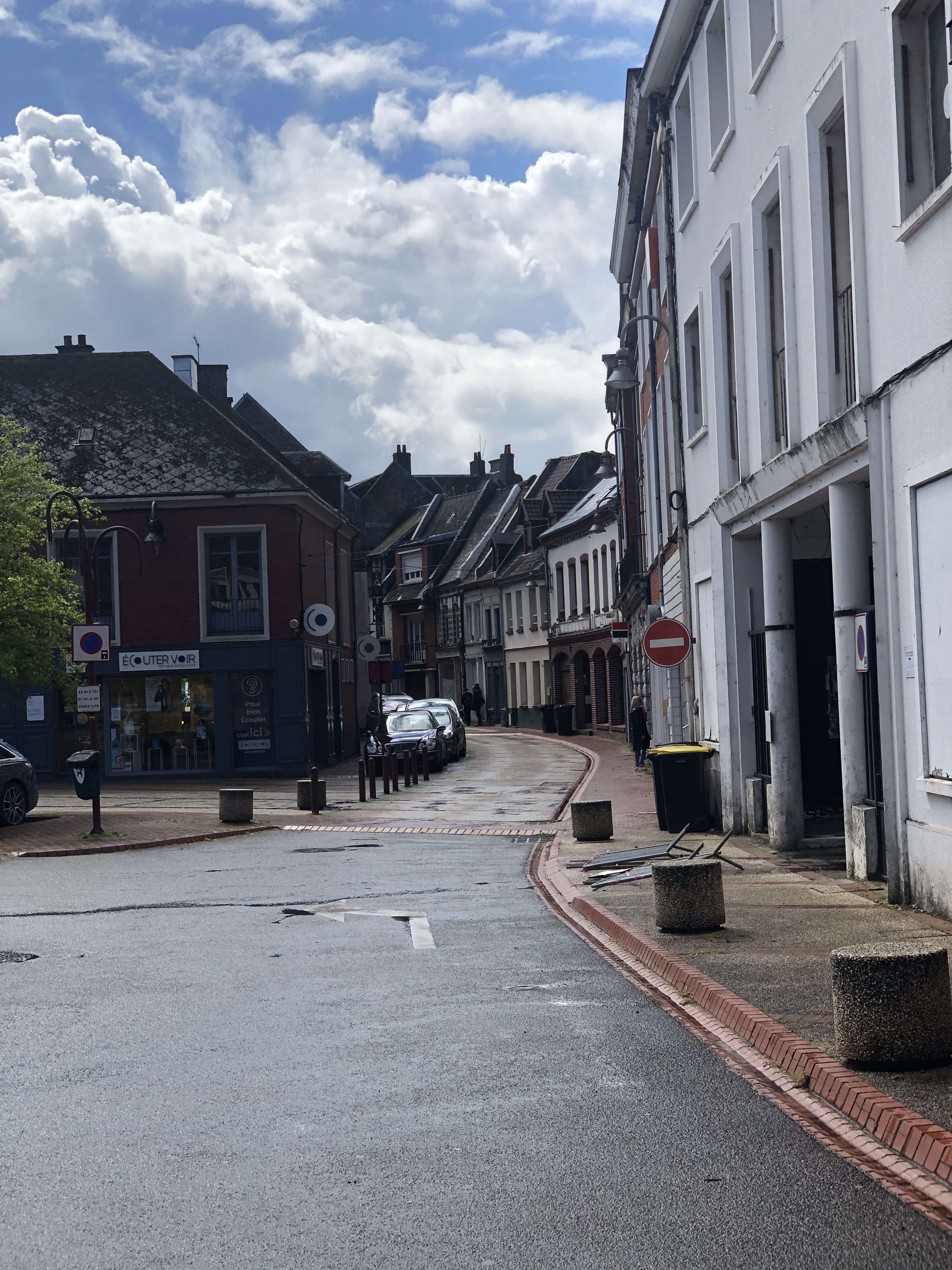
We spent 12 days in France, the first five days in an area north and a bit east of Paris not far from the Belgian border. My great-grandparents and my grandfather (on my biological father’s side of my family) immigrated from Abscon, France in November 1920. That part of France had been overrun and then occupied by the German army at the start of WW1. The occupation lasted until 1919 when the British Air Corps set up an airfield in Abscon. My great-grandfather Felix served in the French army in the war. He was gassed and captured early on. He spent the next three-plus years in POW camps.
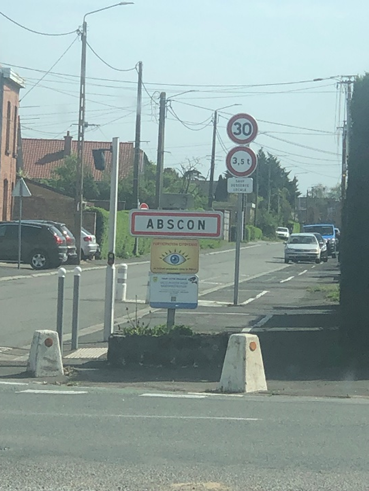
The destruction and occupation left the town and surrounding area an ecological and economic disaster. The coal mine where they worked had been damaged so much so that work was hard to find. My great-grandfather was still suffering from the effects of chlorine gas. My grandfather and the other family members who were in Ascon for the war were suffering from PTSD. They felt that they had to get out and chose America as their destination.
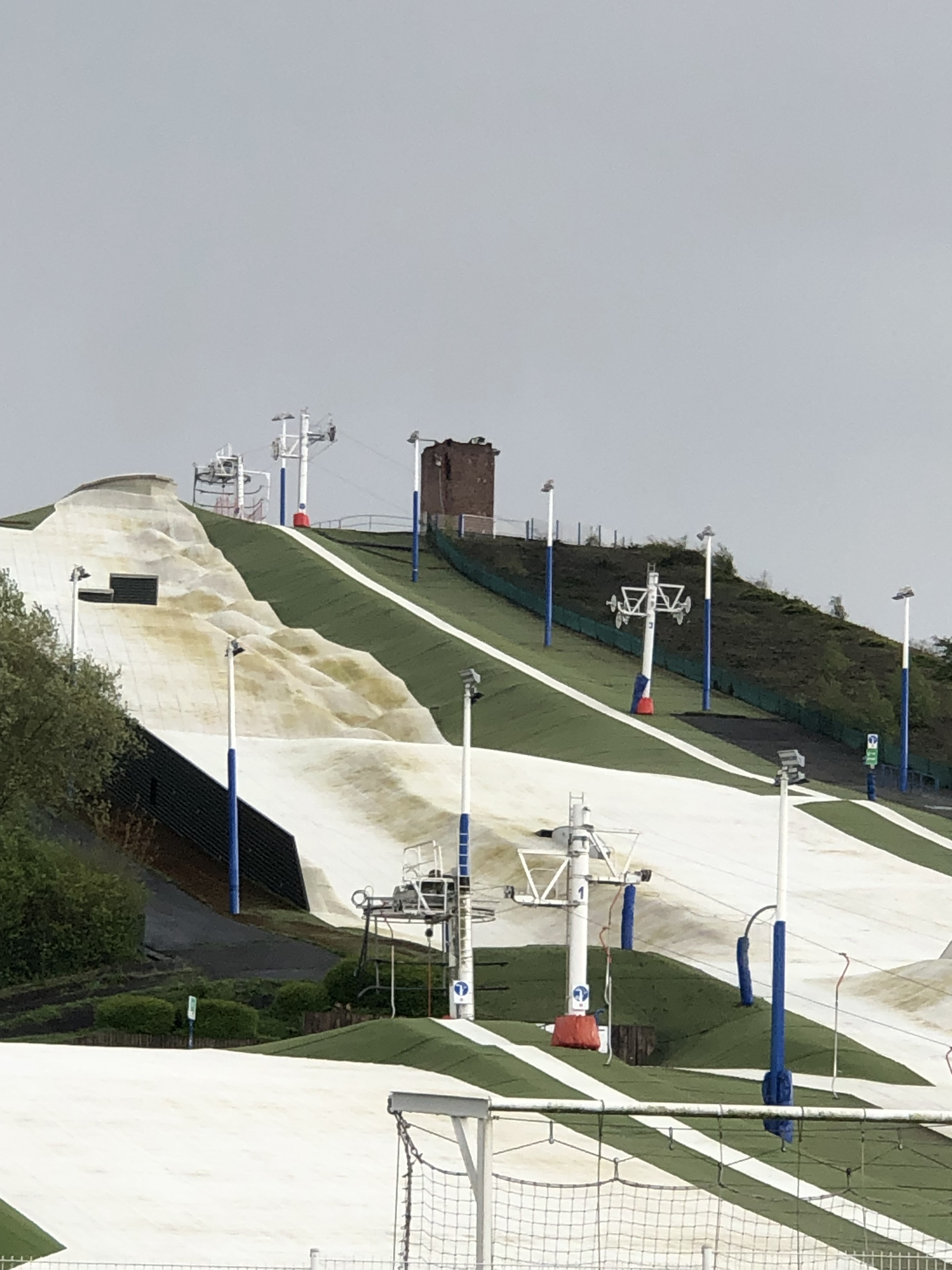
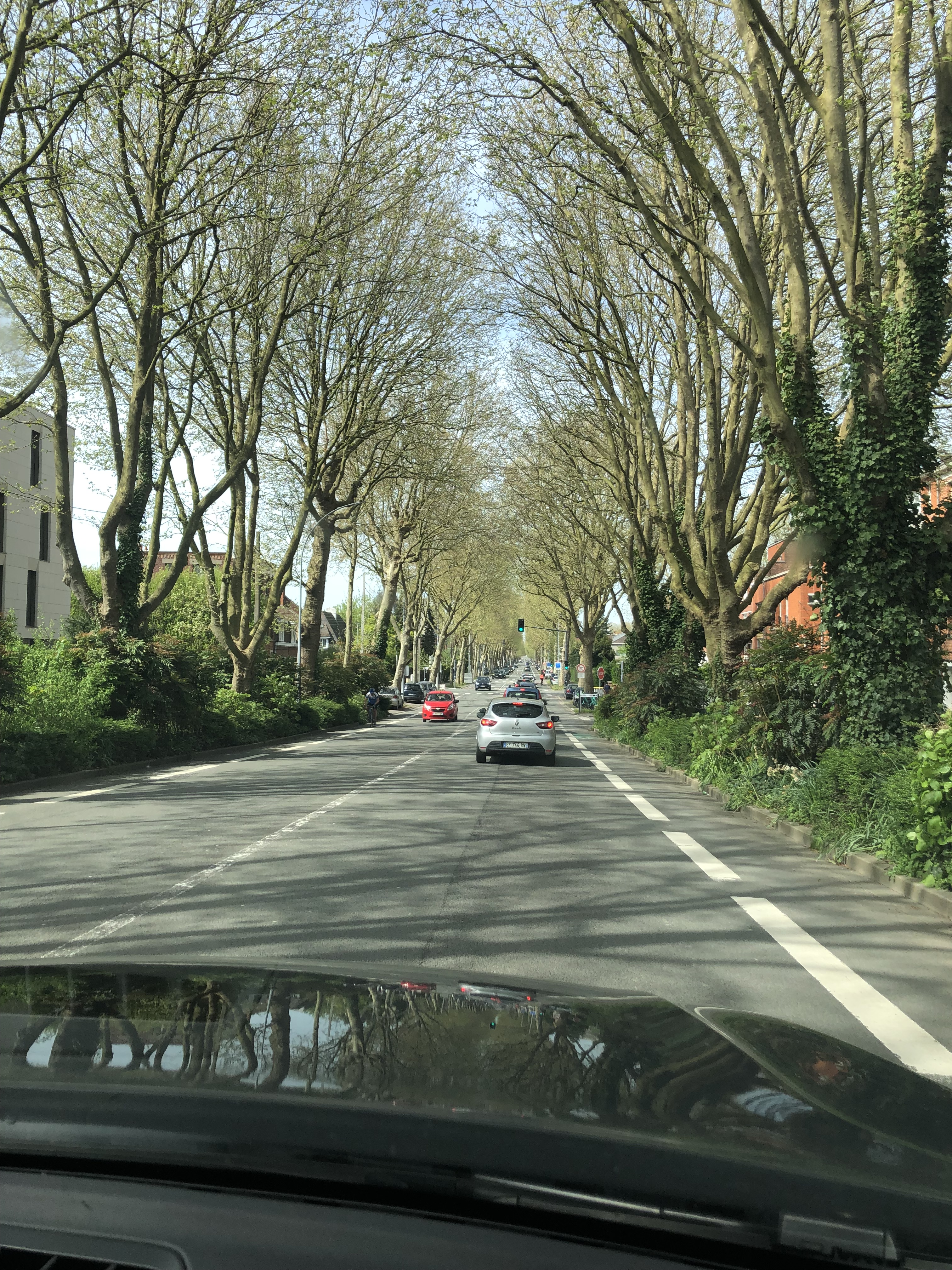
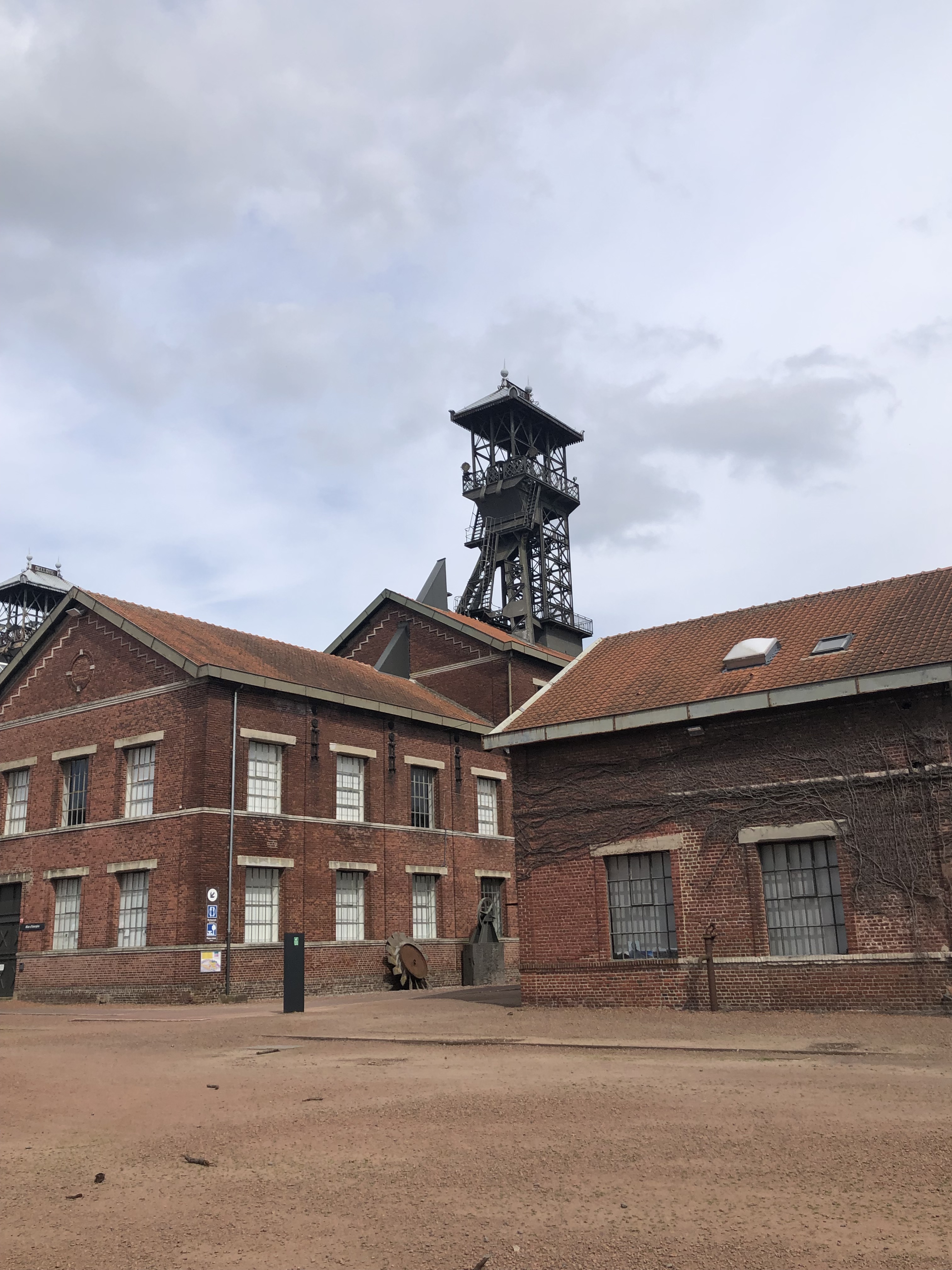
Today, the area of France that stretches from Calais on the English Channel through Lille, Abscon, and all the way to Verdun is undergoing economic revitalization. While the coal mines have closed, the areas around the old mines have been repurposed. The terrals, slag heaps (mountains of waste that was piled up as the coal was dug out) have been repurposed. A total of 51 heaps near Lens, pronounced Lans, have been designated a UNESCO World Heritage-designated area. The huge piles have been turned into hiking trails, vineyards, bicycle trails, and a dry ski slope, complete with jumps. Thousands of tourists flock to the area each year. In addition, the surrounding agriculture and revitalized small towns make the area a prime getaway for those who live in large cities.

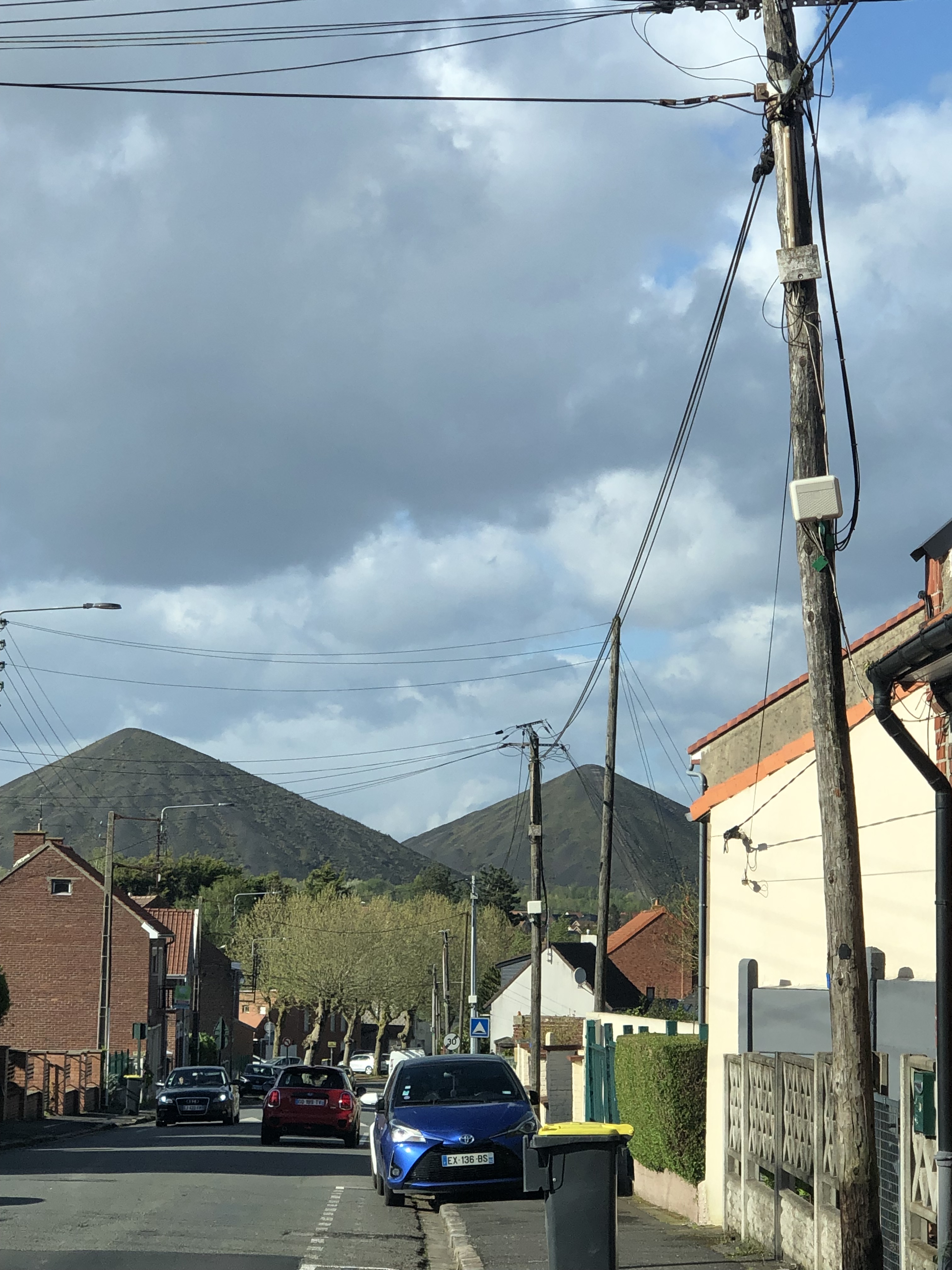
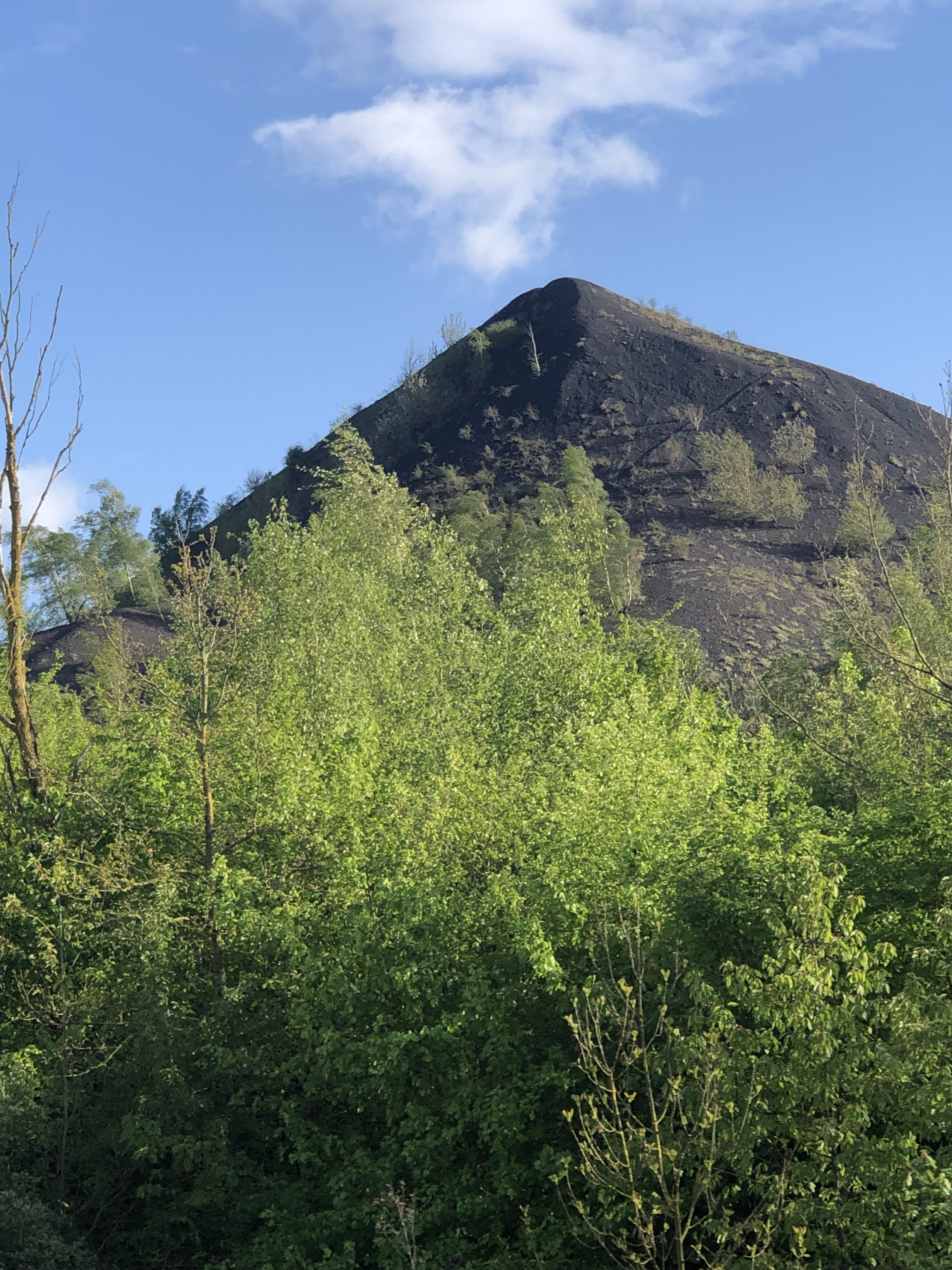
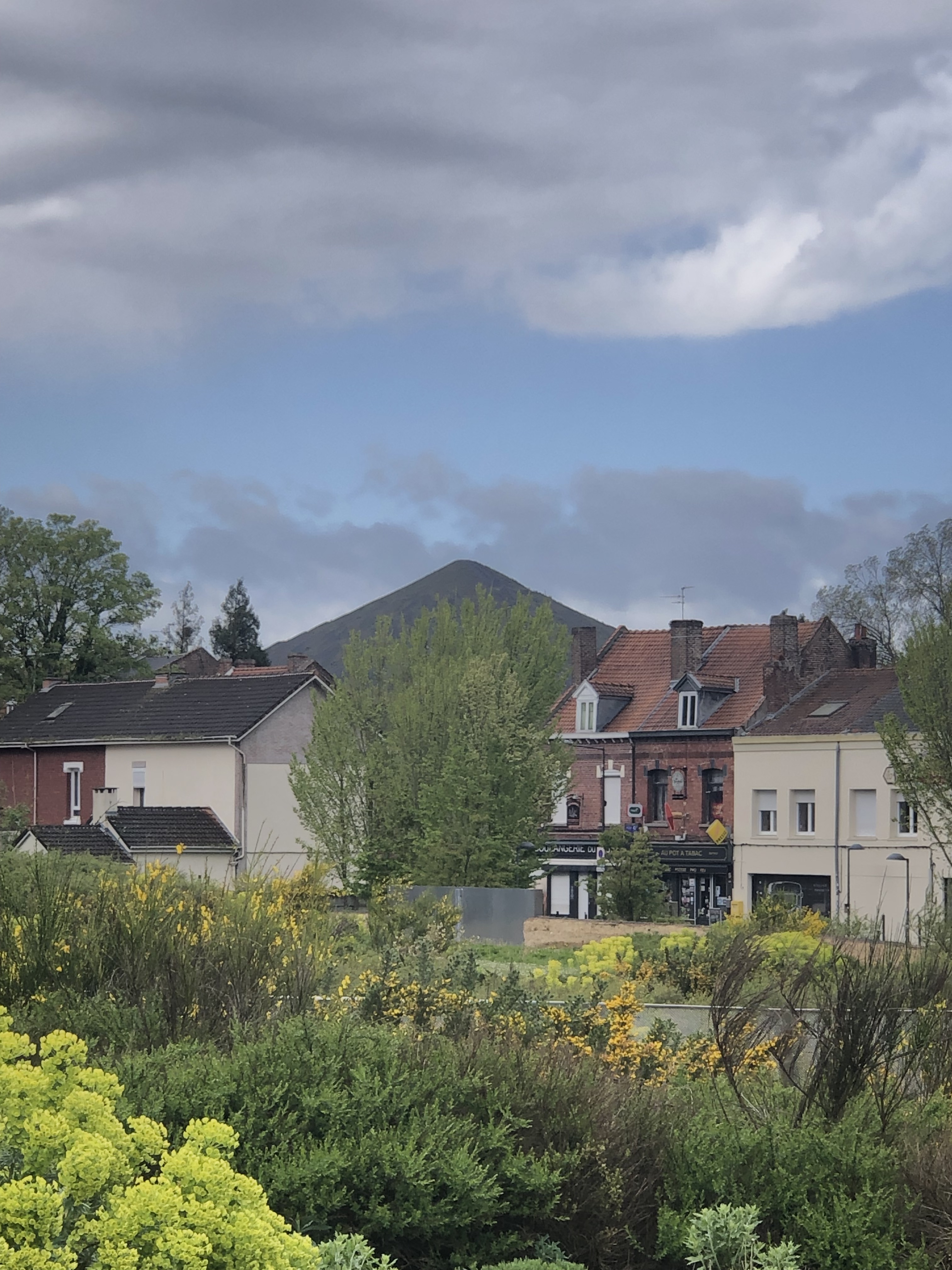
There is also a first-rate mining museum in Lewarde, complete with restored grounds and tour of a mine (recreated). The old tipples, high points where the coal was carried up to start the process of sorting, strike a pose reminding all that visit what this place was once like. I really appreciate the celebration of the history of coal in France, unlike what I found in Illinois and Indiana during our visits last summer.
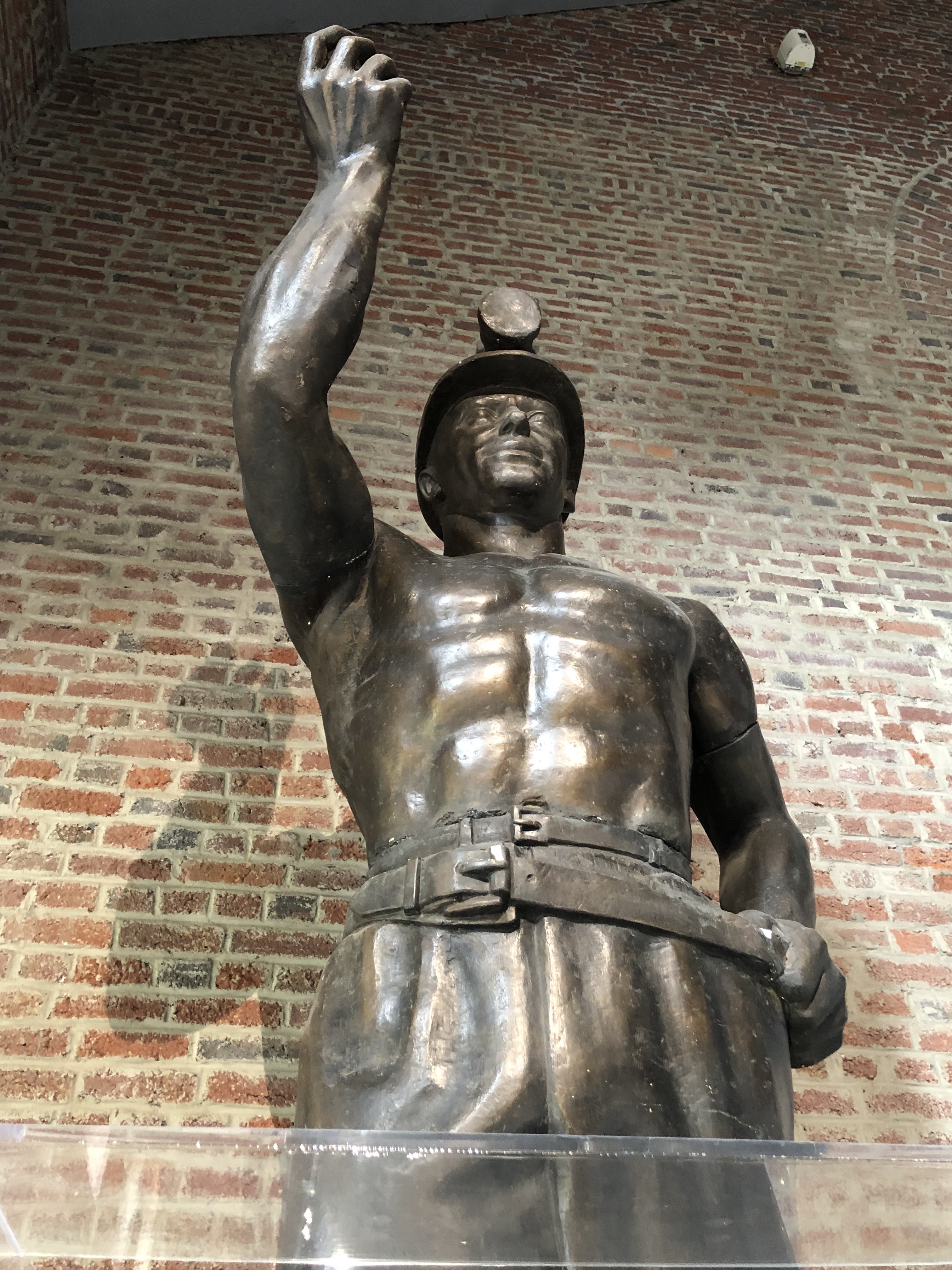
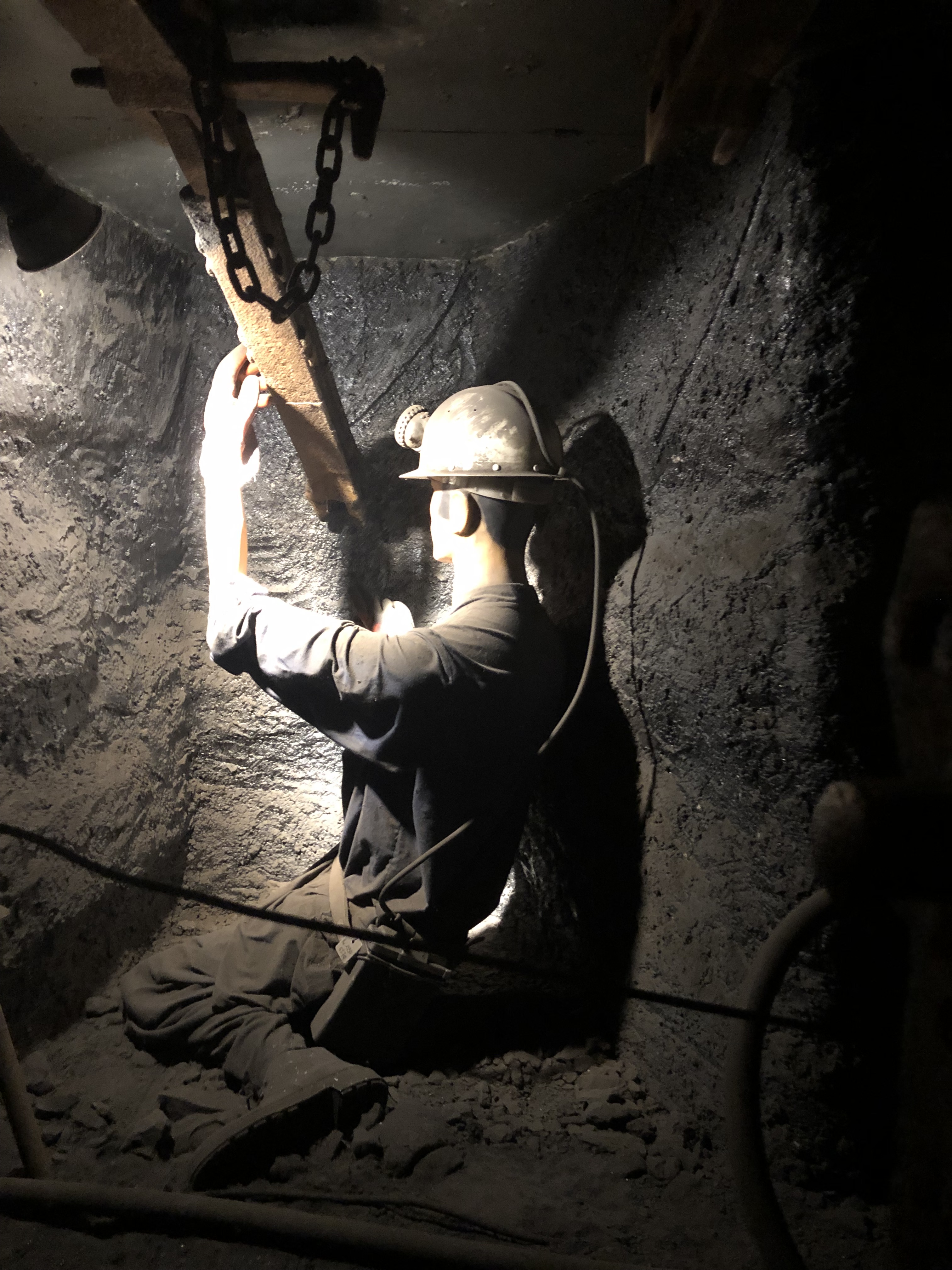
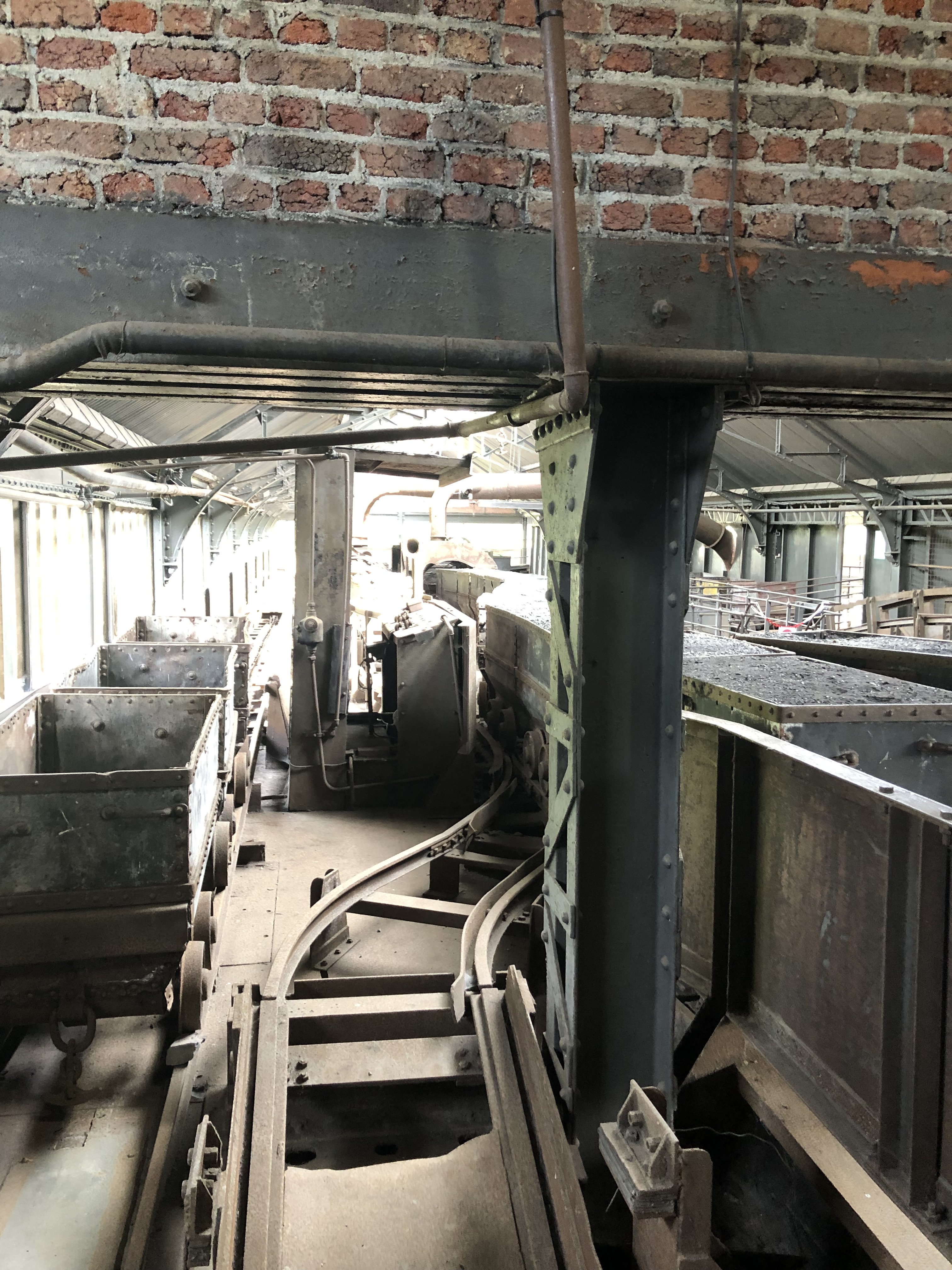
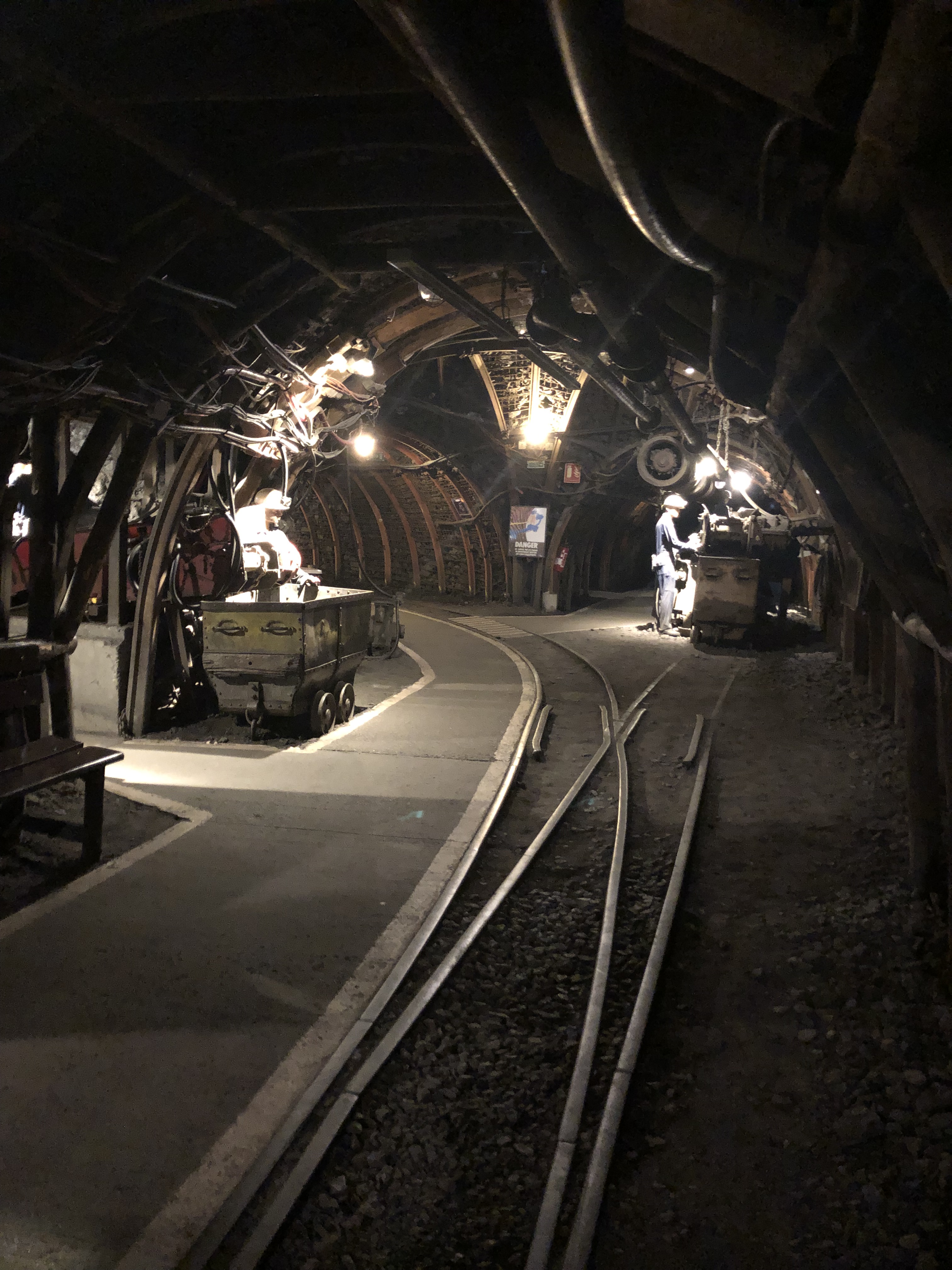
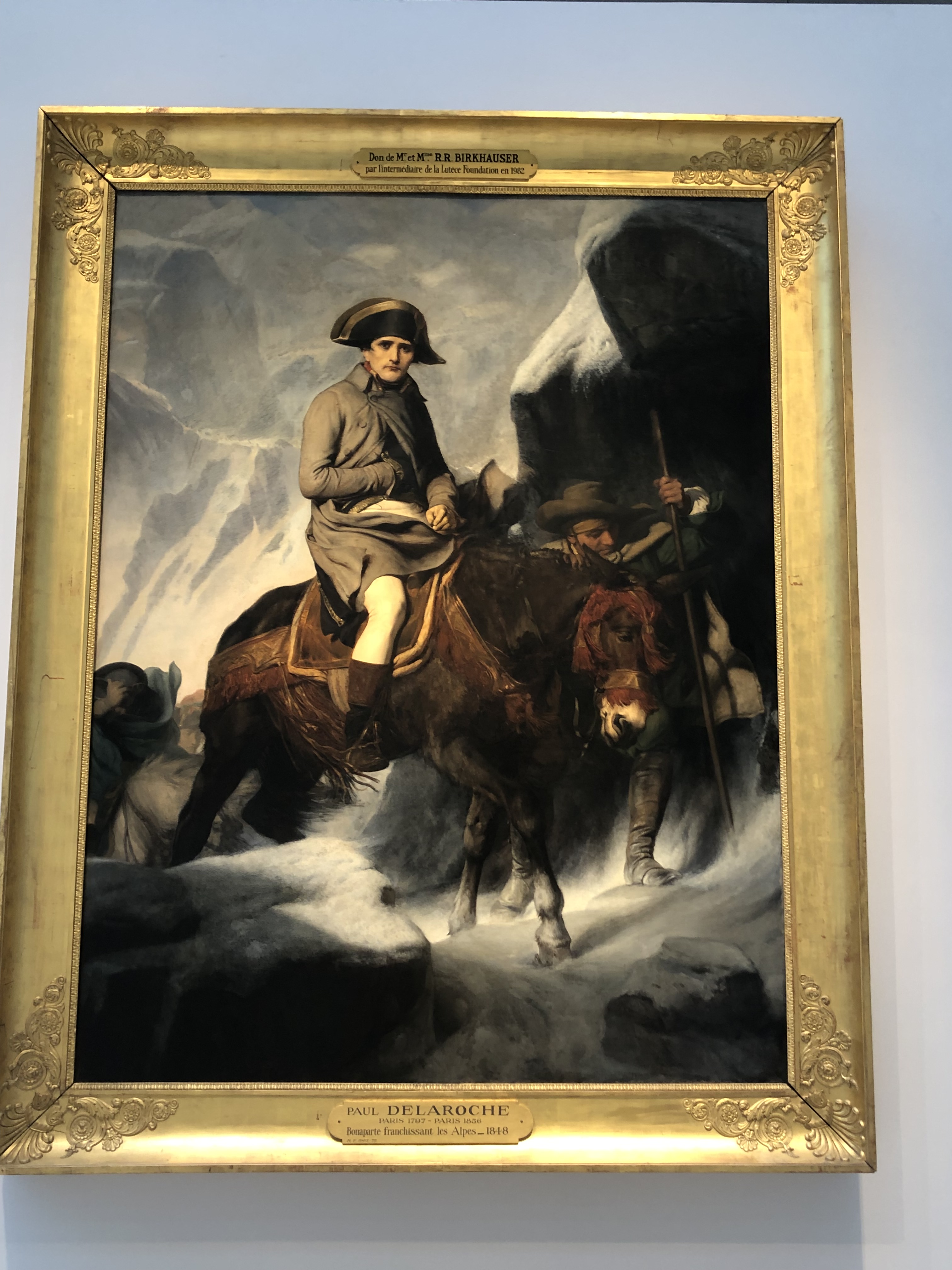
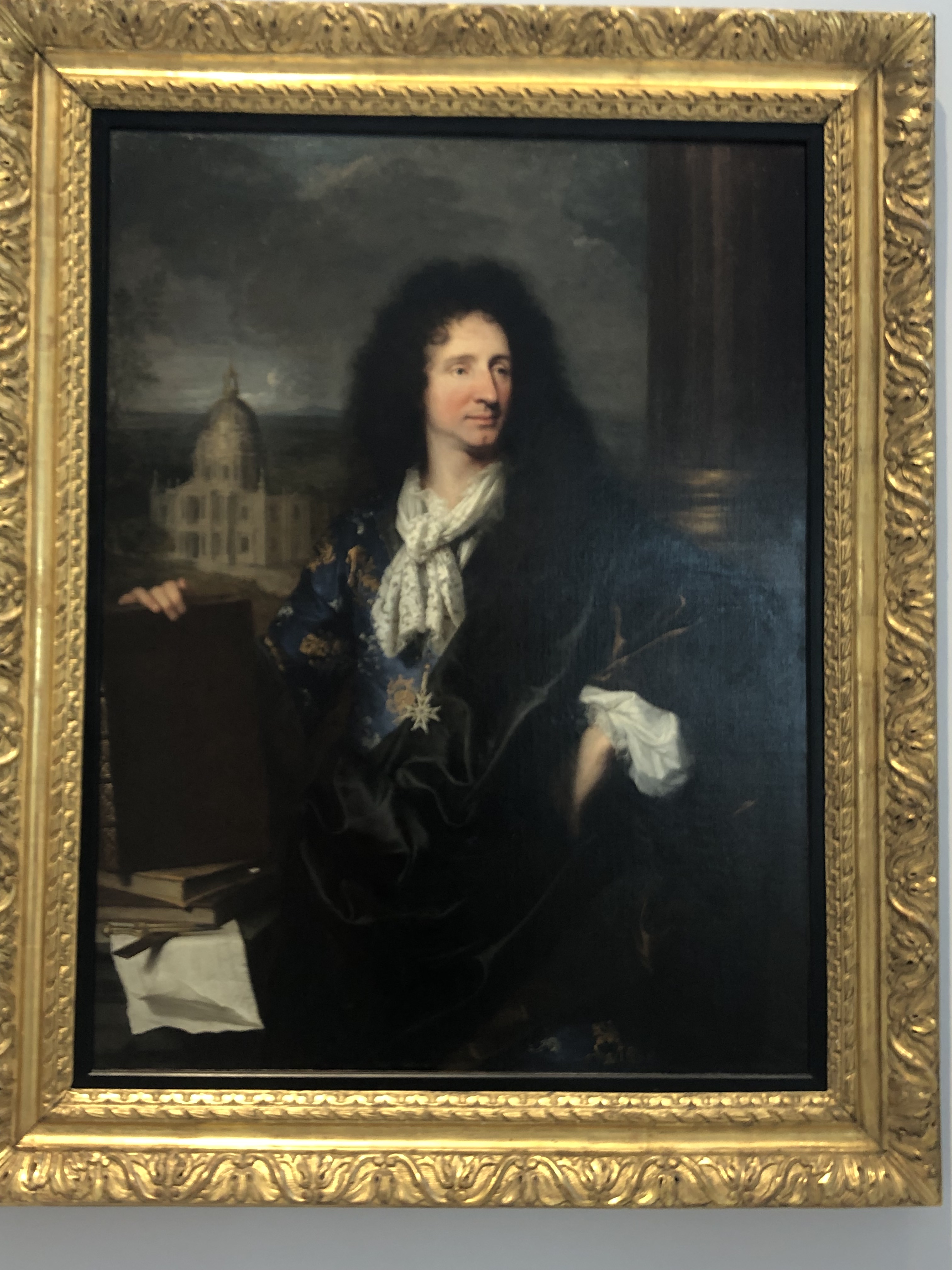
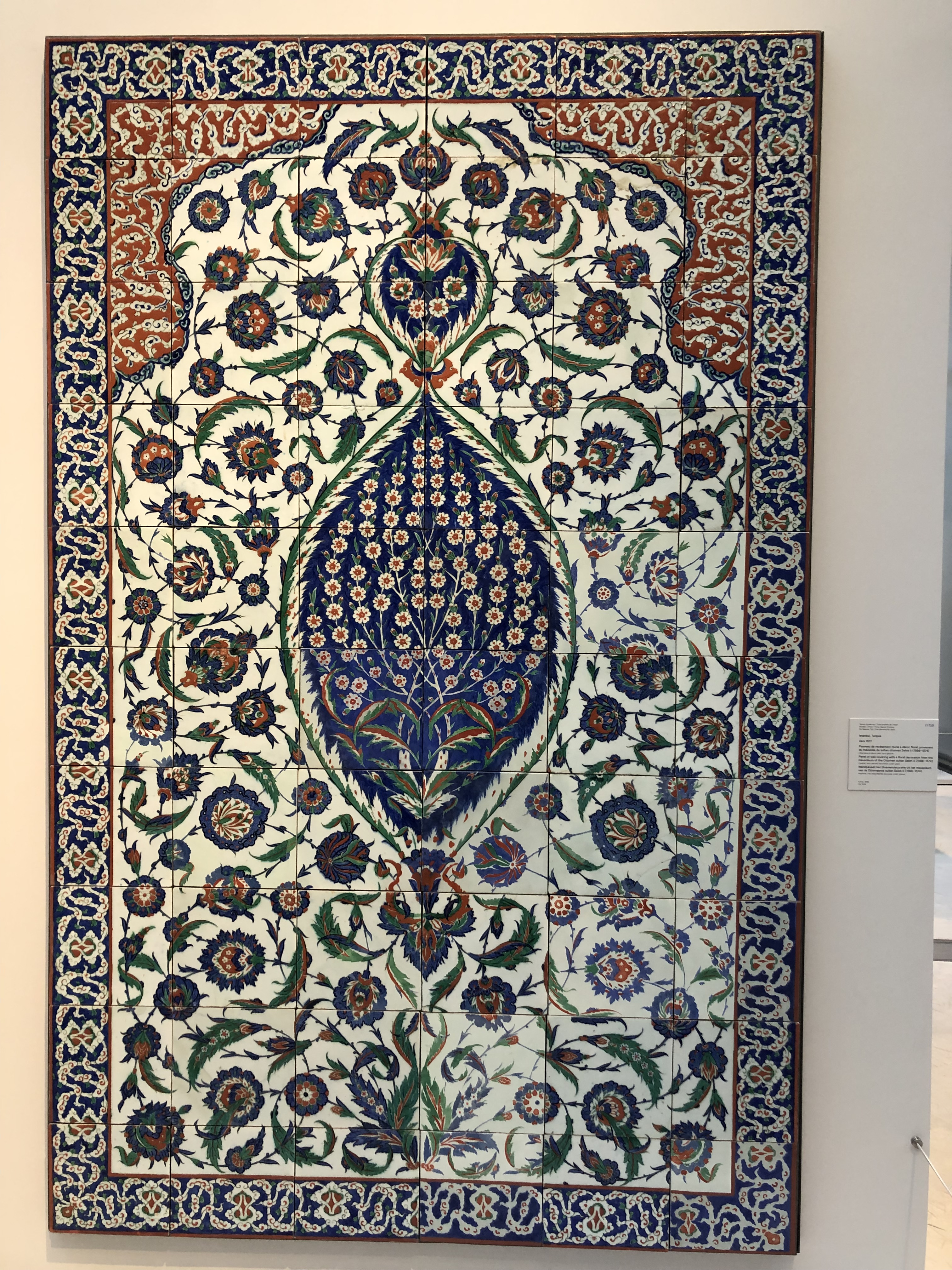
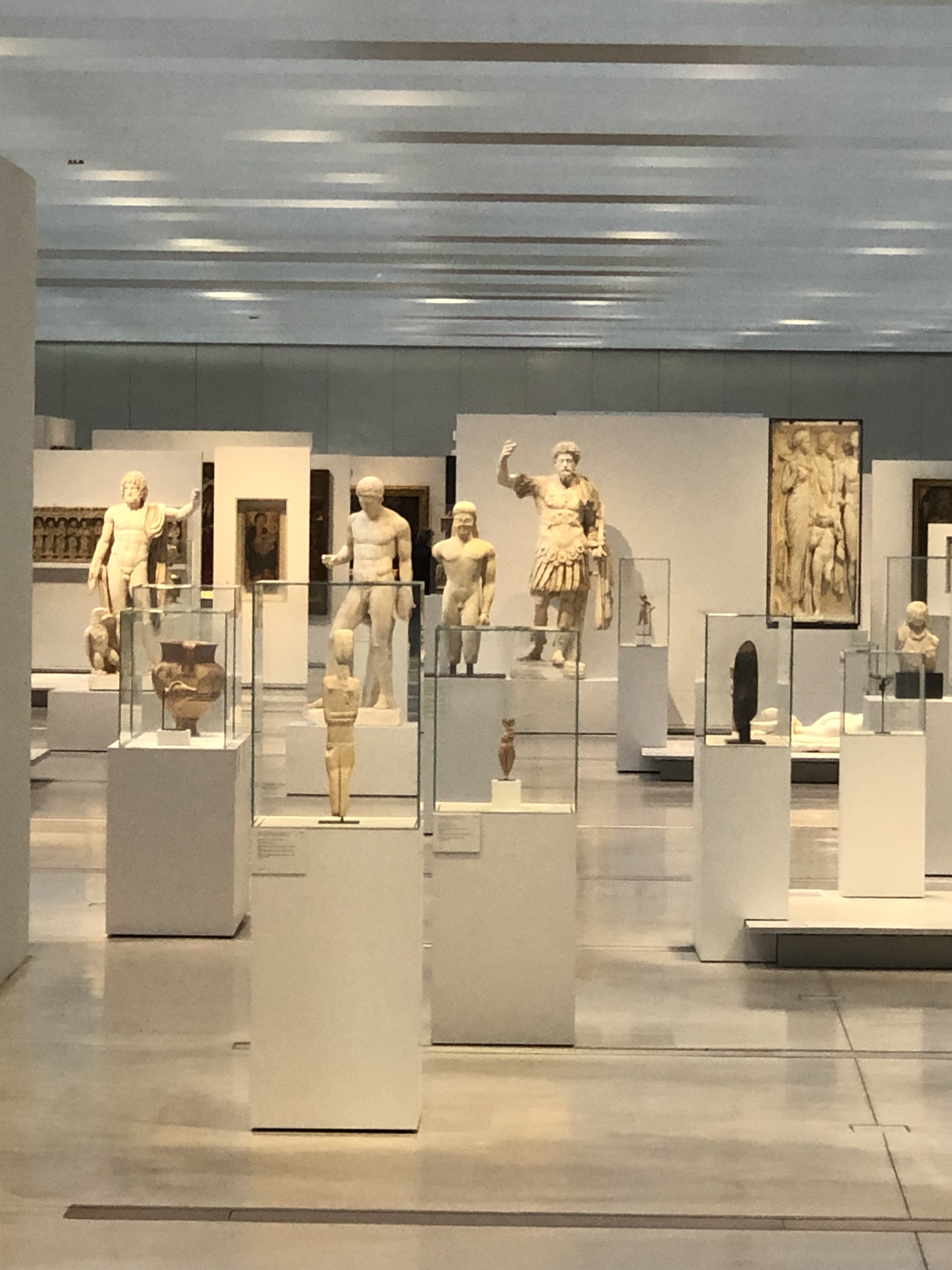
As part of the economic redevelopment of the area, the Louvre Museum in Paris (yes that one) has opened its first satellite structure in Lens for showing part of the extensive collection—the Louvre in Paris holds nearly 36,000 pieces of art, so they can spare a few pieces. We toured the museum and unlike the Louvre in Paris it was not jam-packed with people. We strolled through the collection, including a special exhibit on art below the surface of the earth (e.g., Jules Verne, Dante, subway art). It was all very cool.
 The Traveling Dean (Emeritus)