
I traveled to Savannah in mid-October to attend the annual meeting of The Southern Demographic Association (SDA). I’ve been a member of SDA since 1974 but haven’t attended a conference since the early 2000s. My other work got in the way. It was nice to again be with others of my ilk, Demographers. My friend and colleague Rick Thomas and I were presenting a paper at the conference. One that focuses on the more recent demographic shifts that are reshaping the environment for healthcare needs. We have just begun our work on the 4th edition of our book, The Demography of Health and Health Care.
Savannah is a mid-sized (148,000) city with a long and rich, sometimes tragic, history. Savannah was founded in 1733 and became a Royal Colony in 1751. The city and surrounding area thrived largely because it became a port of delivery for slaves as part of the Transatlantic Slave Trade Route. The largest sale of slaves in Georgia took place in Savannah, March 2-3, 1859; 436 men, women, and children were sold. More than 23,000 slaves arrived at the port of Savannah during the 18th and 19th centuries, many after the U.S. Congress passed legislation banning the practice in 1807. However, the legislation did not ban domestic slave trade which did not end until the end of the Civil War.
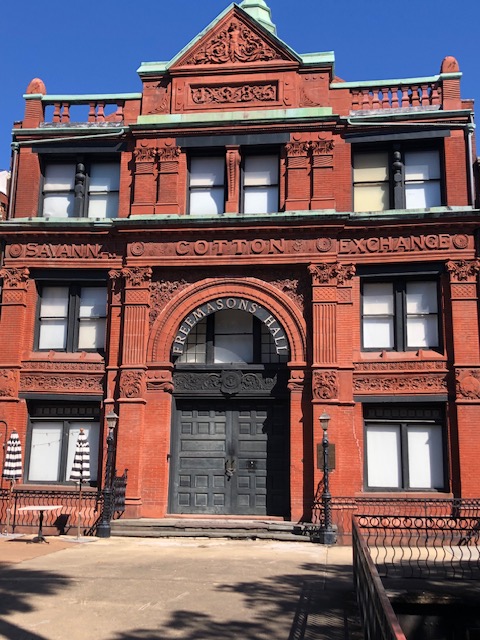
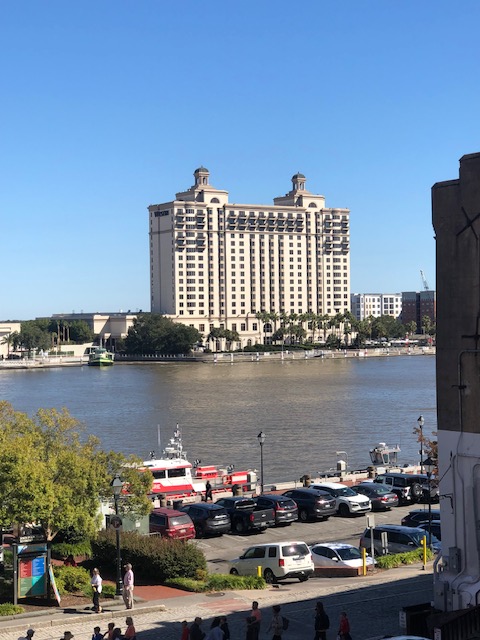

After the conference ended, we took the Savannah Slavery to Freedom Tour. I recommend it. The tour guide, Sistah Patt was excellent. She is part of an organization that supports an honest assessment of slavery’s history in Savannah. She is also recognized as a renowned Gullah Geechee storyteller, a person of deep knowledge and conviction. We saw where the slave auctions were conducted and heard how the activities during a slave auction day unfolded. We saw a church that was one of the starting points as slaves took the risk of traveling on the Underground Railroad. We visited a slave cemetery and a park that was once a slave cemetery. We traveled to the riverfront where slaves made their way from ship to shore. And we learned how the rocks that were used as ballast on the slave ships were offloaded and became the cobblestones for the dockside streets of Savannah.
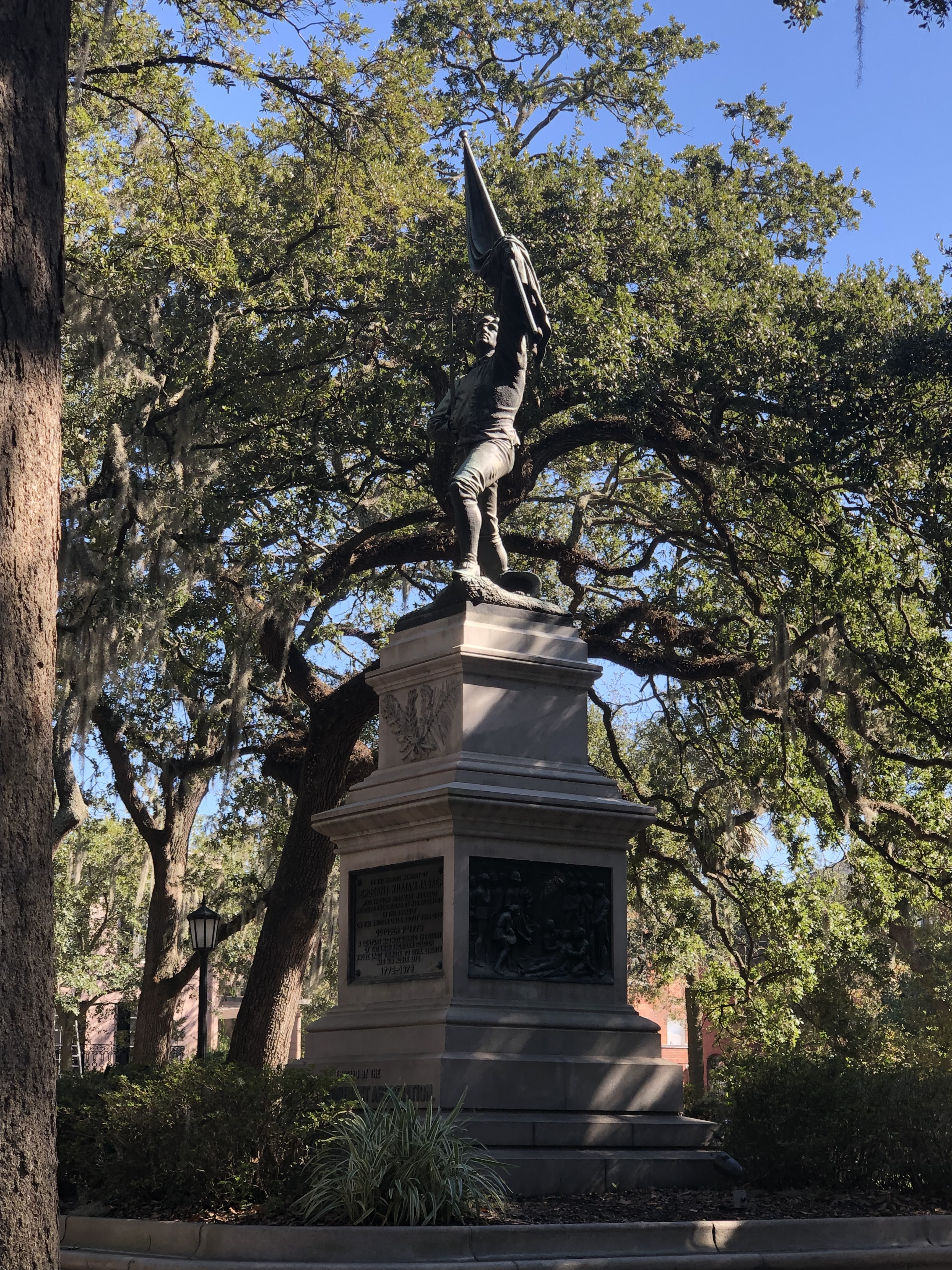
Savannah is a walker-friendly city. Its parks and riverfront location make a stroll or a history tour something to look forward to. The tree-lined boulevards are bordered by shops, restaurants, and beautifully restored homes. My time there went too fast and when I returned home, I remarked that I wanted to go back.
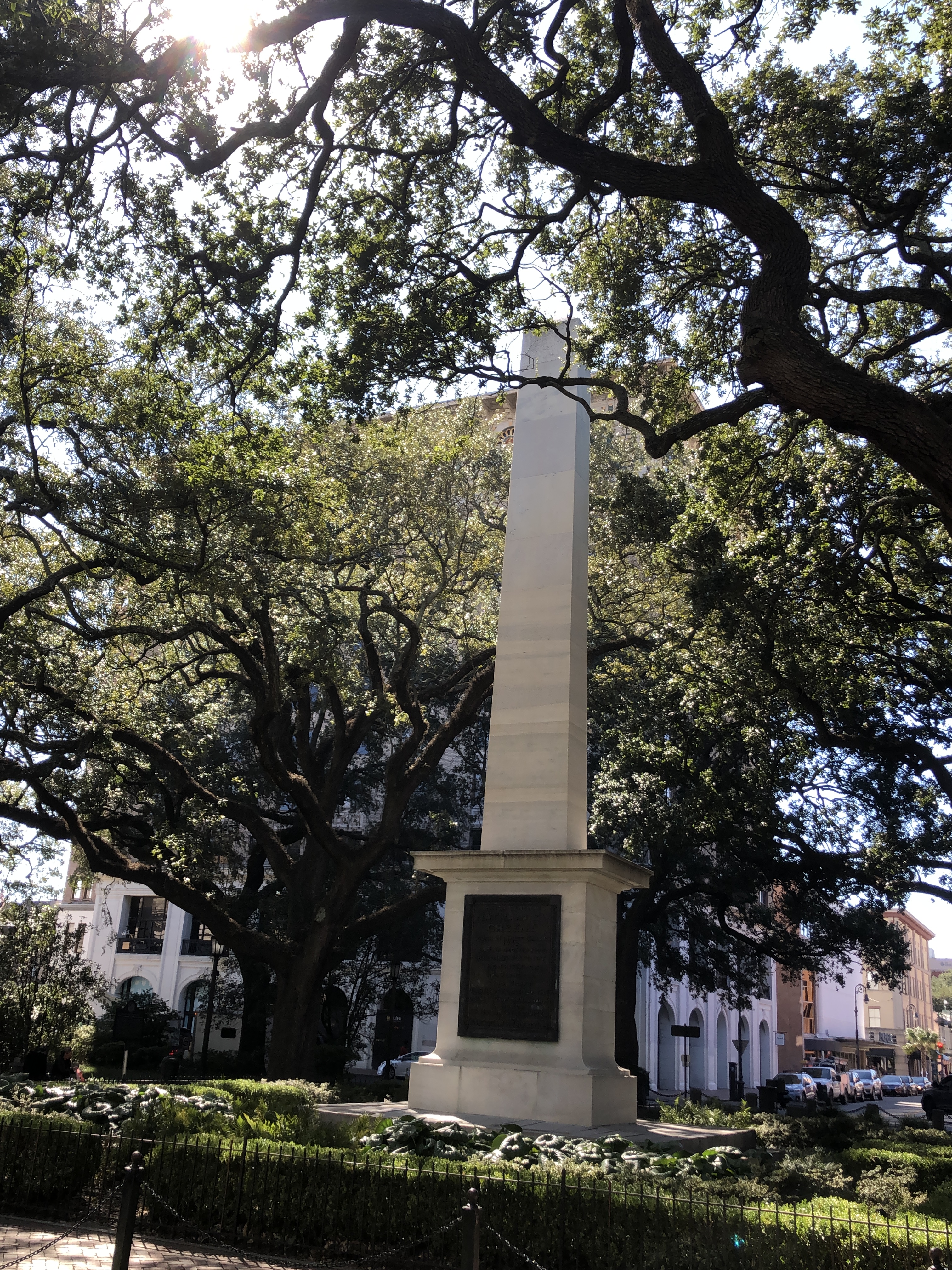

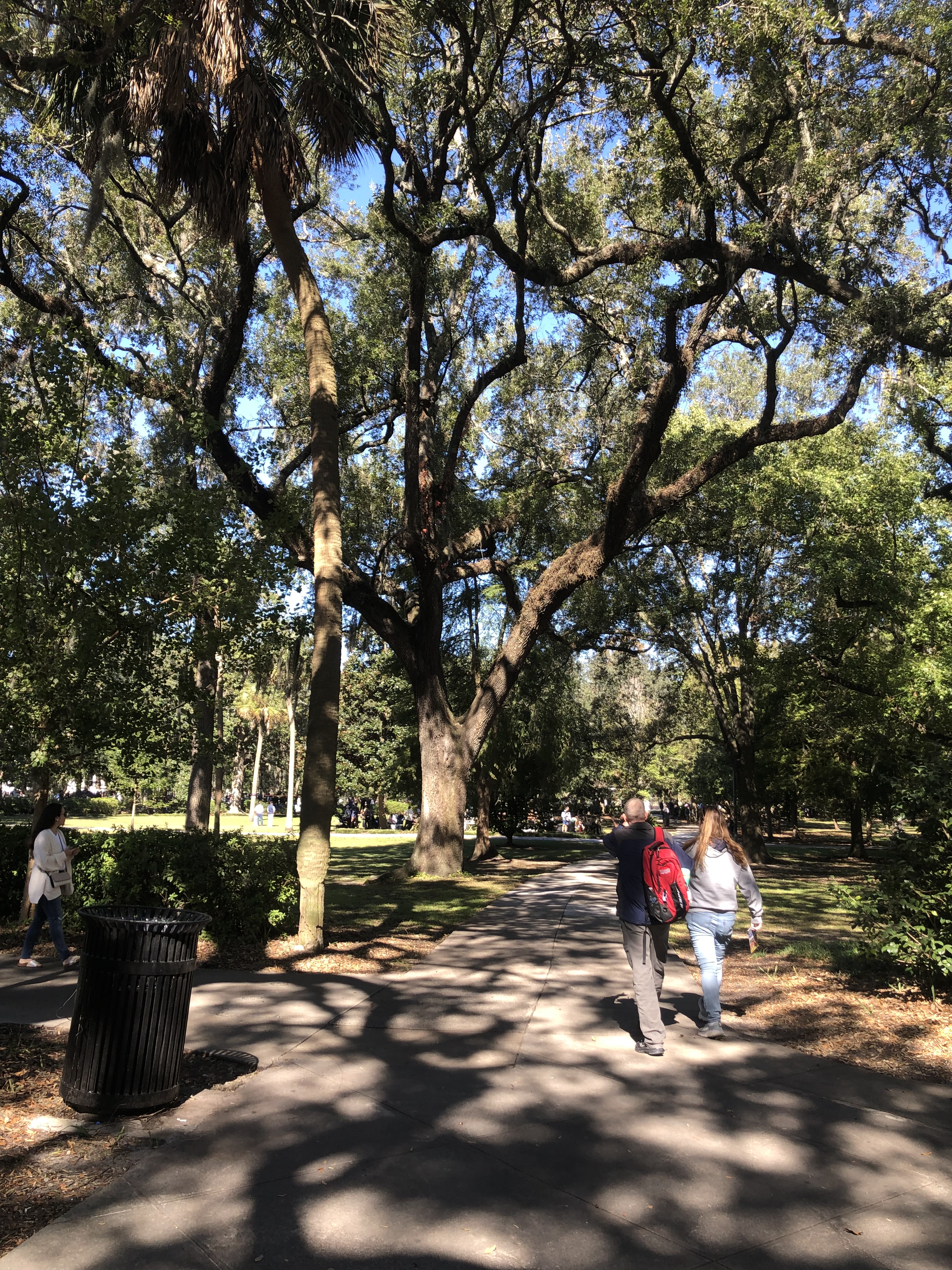
The food in Savannah is excellent. Our conference dinner was held at The Pirate’s House on Broad Street. I had the best fried chicken I’ve ever had at the Pirate. Two of my friends substituted more fried chicken for their dessert. I’ve never seen that before. Hitch, just a half block from the Desoto Savannah Hotel was also a very good restaurant and neighborhood hangout.
 The Traveling Dean (Emeritus)