
When we left Omaha on May 9, our intention was to as much as possible stay off I-80, that great concrete slab that takes drivers, passengers, and a whole lot of stuff from New York City to San Francisco. In our many years of road trips, we have learned that so much more can be learned about our country off the main roads. So, instead of connecting to I-80 east of Lincoln, Nebraska, we took a two-lane highway, 92, toward Grand Island, Nebraska. A few miles northeast of Grand Island, we turned onto U.S. Route 30, The Lincoln Highway, and rode it until we were close to the Nebraska Wyoming border, Kimball, Nebraska. The views along Highway 30, especially the sandhills, did not disappoint.
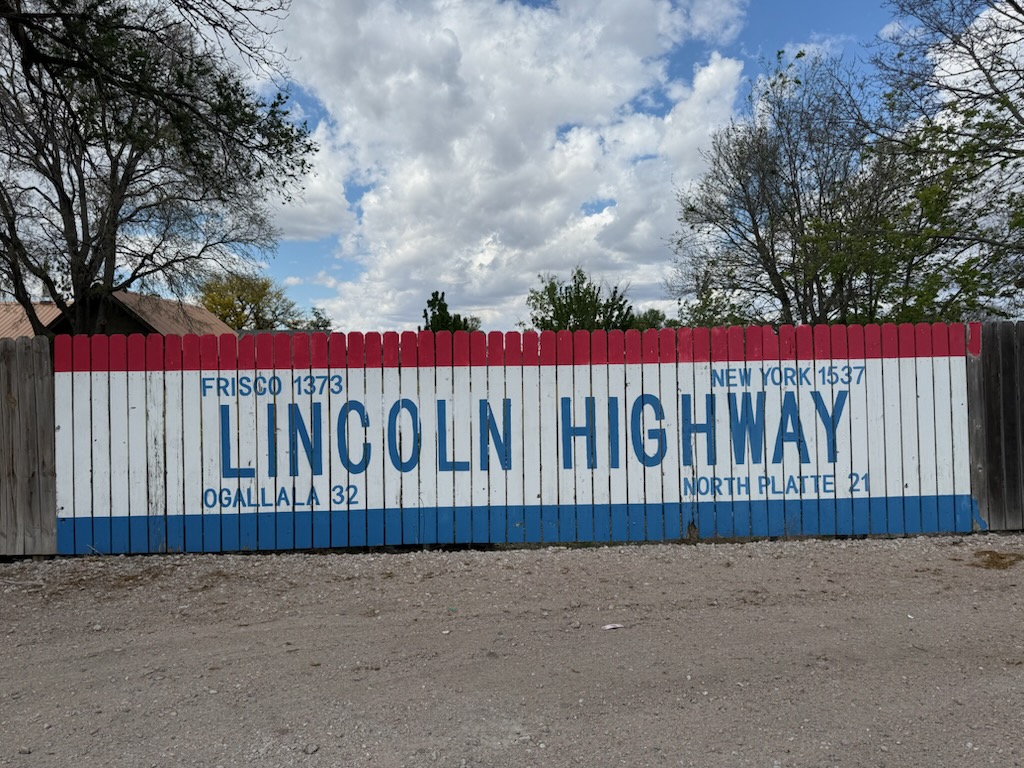
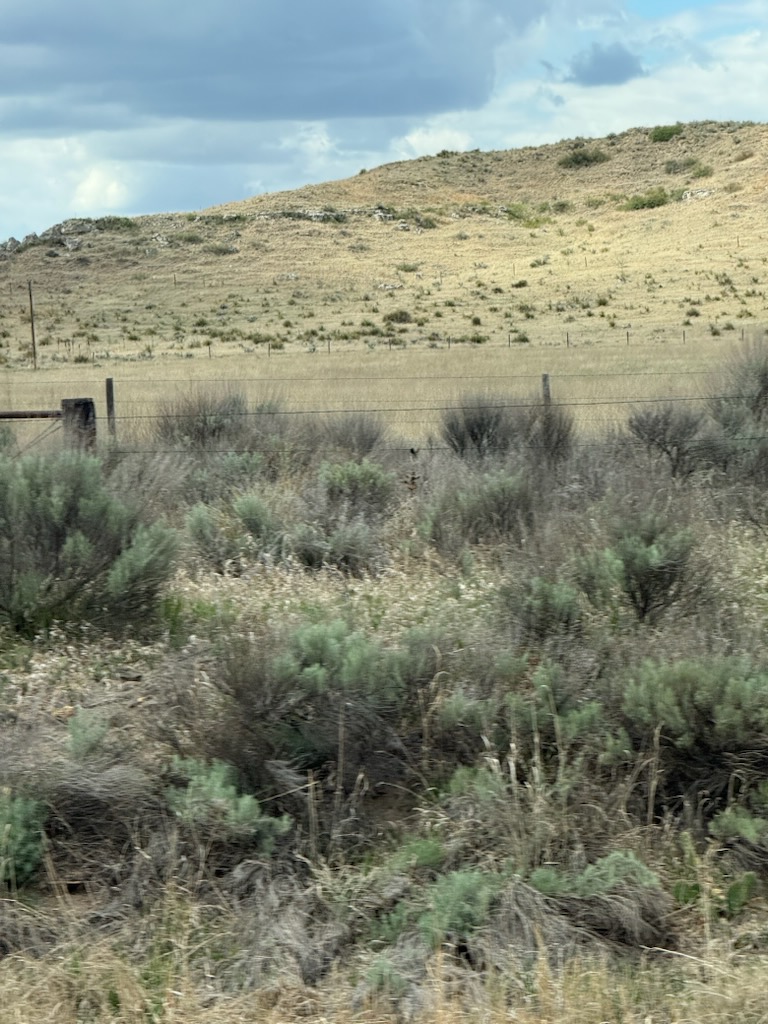
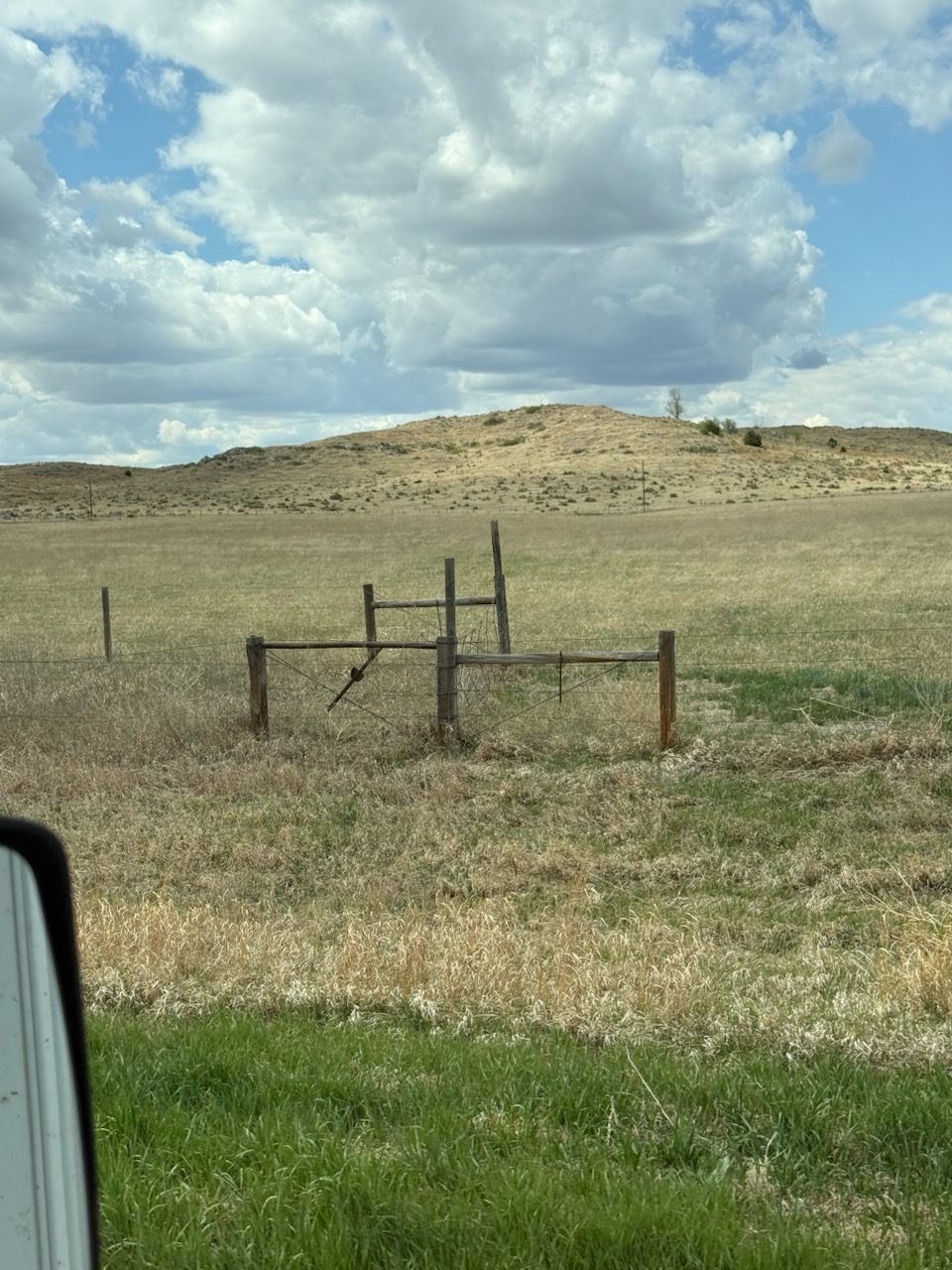
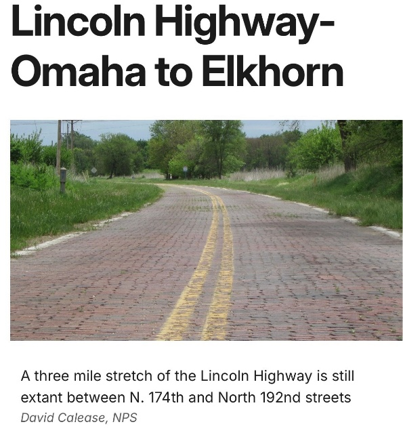
The Lincoln Highway was the first transcontinental highway in the U.S. Initially dedicated in 1913, it covers more than 3,100 miles from Times Square in New York City (yes, you can find signage there) to Lincoln Park in San Francisco. Like Route 66, which was established in 1926 and connects Chicago to Santa Monica over 2,400 plus miles of highway, it was planned and created to promote auto travel in the U.S. In Nebraska, the Lincoln Highway is also known as Highway 30, and stretches from Omaha (there is a short section of highway in the original brick in a western suburb of Omaha, Elkhorn) to Maxwell, a small town on the western end of Nebraska, close to the Wyoming border.
We stopped at a KOA in Kimball Nebraska at the end of a second long day of driving. As we approached Kimball, we decided to eat out when we arrived. A BBQ place near the campsite was promised on a website, so that was it. When we arrived, no BBQ was to be found. The person who checked us in at the RV park had never heard of it. What to do? We asked about our options within reasonable walking distance. There was one, an Indian (South Asian Indian) food restaurant, The Indian Plate, just down the hill from our campsite. Indian food in Kimball? Have the locals started cooking Indian? We like Indian food and decided to walk down the hill to a seemingly unmarked truck stop. When we entered The Indian Plate, I noticed a 85” or so TV playing an Indian ceremony of some type. There was a bit of music and a lot of chanting. Several customers were watching. The smells were superb. We ordered at the counter (lots of options) and there was seating for perhaps 30 or so patrons. The staff was very friendly and adorned in turbans. The truckers waiting for their food were turban-free. I smiled, happy we stopped in.
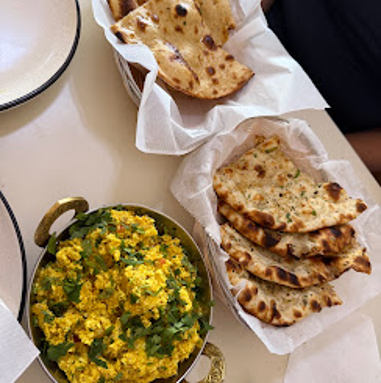
The food was excellent, as good as any that we’ve had in the U.S. Most interesting, however, is who ran the restaurant—Punjabi Sikhs. When we returned to our RV after dinner, we looked it up. There is a growing population of Indian truck drivers in the U.S. They would rather eat cuisine familiar to them, not the fast food fare found at most trucks stops. So, entrepreneurial Punjabis have responded. They have established Indian restaurants. They can be found on I-80, I-40, I-10, I-5, and on other roadways. Stories about their existence first appeared in 2018. CBS Sunday Morning had a story in 2021 about such an operation in rural Wyoming. The Washington Post ran a story in 2023.

