We are on the way east to our annual Sunday-before-Labor Day Ardovino cousin family reunion on Long Island. Usually we fly to LaGuardia, Newark, or Islip and rent a car with side trips scheduled for here and there. This year we decided to drive, but in a very circuitous fashion. We started by motoring due south on National Highway 75 from Omaha through Topeka and Bartlesville to Tulsa. From there we went east following as much of Route 66 as possible, Tulsa to Chicago, in the opposite direction of the words of the song Route 66: It winds from Chicago to L.A.
Tulsa marks the confluence of three things/occurrences that are important to Janet and me: Route 66, The Green Book, and the Tulsa Massacre (1921). Route 66, the Mother Road of the United States, is 100 years old this year. First promoted by Tulsa businessman Cyrus Avery, it grew quickly into a natural treasure, the way many Americans moved from the east (Chicago) to the west coast (Santa Monica Pier). In the 1950s, many American families vacationed by driving east to west or west to east on Route 66 from one point of interest to the next.
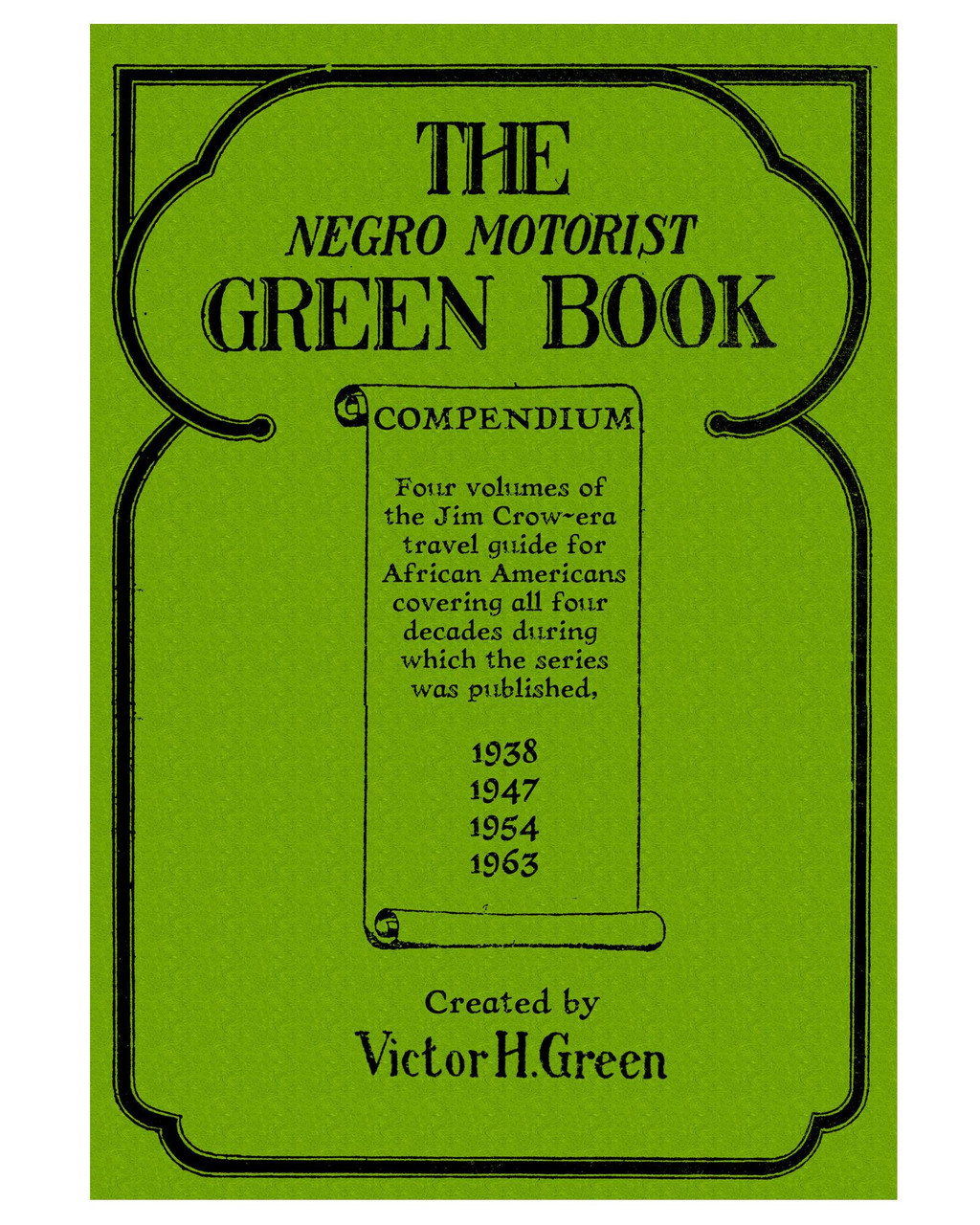
However, African Americans did not have the same freedoms as whites, and could not travel at will. They were refused services at filling stations and hotels along the way. Most restaurants refused to serve them as well. That’s why Victor Green and his wife, Alma, first published the Green Book in 1936. Victor and Alma understood from experience about the level of discrimination along highways in the U.S. Their goal was to provide a guide, a list of businesses that were safe and accommodating, where African Americans could stop, and perhaps even stay for the night. The publication was a success, and by 1962 had a nationwide circulation of 2 million. Many African Americans carried “the book” with them when they traveled by automobile. The list of safe businesses was extensive, especially in large urban areas such as Tulsa. It also helped African Americans, especially families, avoid “sundown towns,” places where darker skinned people would likely be harassed or otherwise harmed simply because they were out and about after sunset. The 1966-67 edition was the last, in part because of the passage of the 1964 Civil Rights Act.
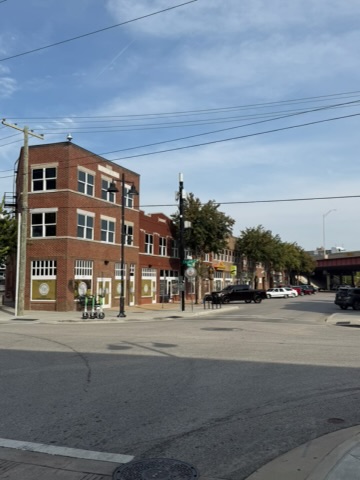
The Tulsa massacre was triggered by the stereotypical “black man says something to a white woman” event (it never mattered if it was true and often came with an attempted rape allegation). The real issue was that African Americans had created a thriving business sector in Tulsa, a Black Wall Street as it was known, and many of the white folks in Tulsa did not like that so, an angry mob got busy and before it was over (two days) an estimated 300 black people were dead and 800 injured. The Greenwood district was torched, more than 35 square blocks. About 10,000 black citizens were left homeless. Today, plaques embedded in the sidewalks in the Greenwood District mark the location of business destroyed.
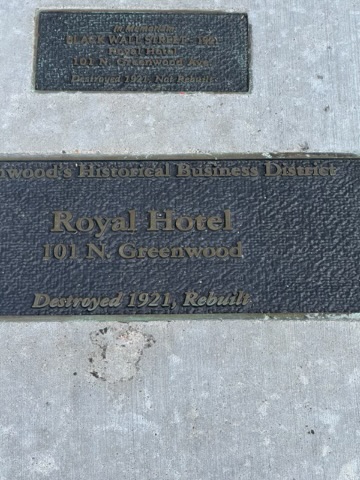
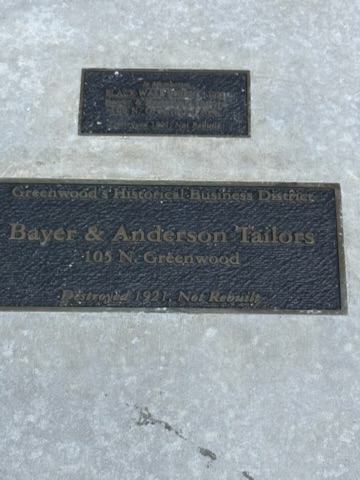
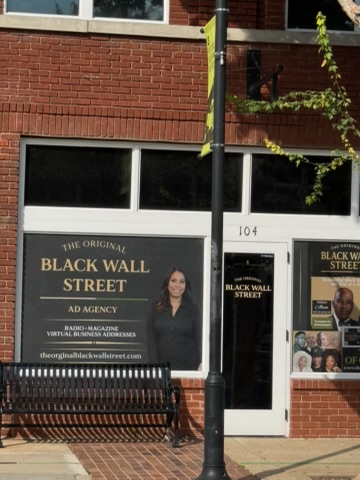
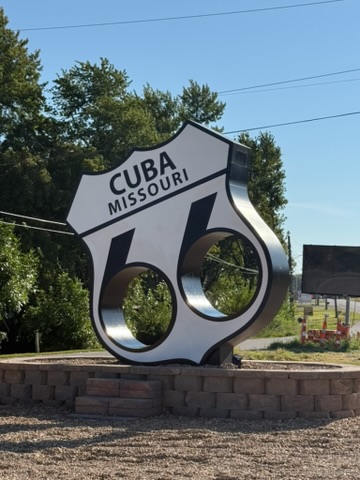
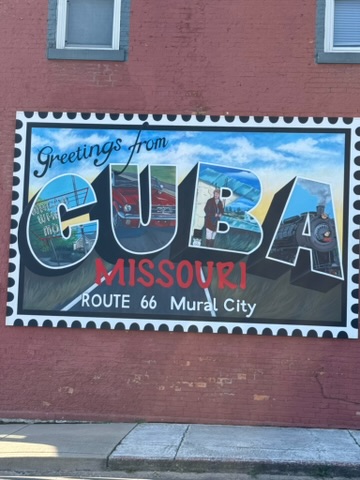
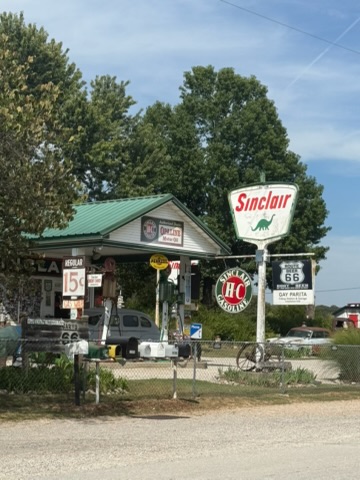
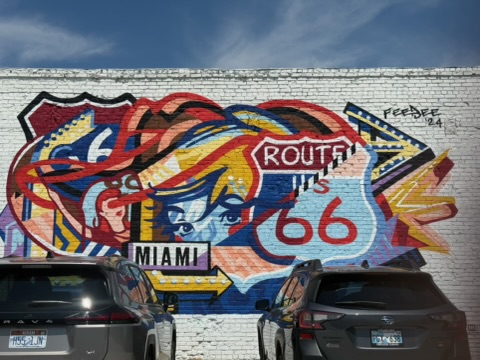
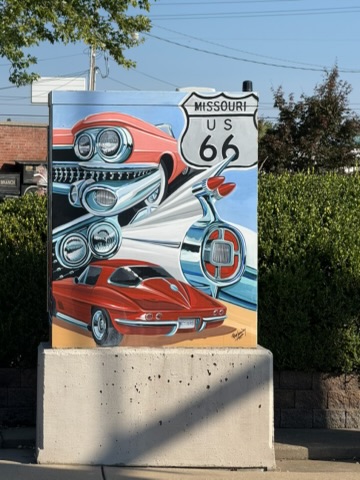
The drive from the Claremore Hotel in Tulsa (first night stay) to the Wagon Wheel in Cuba Missouri (second night stay) was anything but predictable. Unlike the boring hours we have spent on the concrete slabs of our interstate system, what’s left of Route 66 and its several iterations is not boring. Moreover, communities have joined in on celebrating the 100th anniversary. Whether it be refurbished old service stations or murals in Cuba, Missouri the towns are colorful and interesting. The road is not straight, nor is it flat.
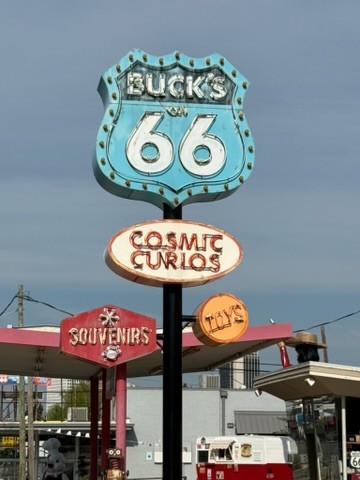
Tonight we are in Springfield, Illinois, heading toward Grant Park, the starting point for Route 66.

